Got Diabetes? 2 Ways to Lower Dementia Risk
Diabetes and prediabetes are dementia risk factors. They affect 1 in 7 adults! Learn about new research to lower that risk with lifestyle and drugs.
Diabetes and prediabetes are dementia risk factors. They affect 1 in 7 adults! Learn about new research to lower that risk with lifestyle and drugs.

In the hunt to cure dementia, a special elderly group seem to hold the key.

Did you know women have a higher risk of dementia than men? In fact, two-thirds of cases are women. But why? In this video, we dive into 5 reasons why women are more susceptible to dementia, backed by research and scientific studies.

TEDx: Lower your risk of Alzheimer’s with mealtime. Watch Dr. Neal Barnard, nutrition researcher and author, show you how.

What happened to brain networks and connectivity in older adults walking four days a week on a treadmill?

Watch this uniquely clear overview of the steps you can take to diagnose or prevent most types of dementia, including Alzheimer’s.

VIDEO+TRANSCRIPT: What are the best food sources of lutein, the primary carotenoid antioxidant in the brain?

172 participants showed a personalized health and lifestyle coach can delay or even prevent memory loss.

Do conscientiousness, extraversion and positive affect make your brain dementia-resistant?

Hearing loss and dementia may be linked, but there is a silver lining here.

VIDEO: President Ronald Reagan’s family raised the bar of Alzheimer’s awareness. Watch Nancy Reagan talk about it to the Republican National Convention. See Democratic President Obama with Nancy, describing her impact on the fight to end Alzheimer’s.

MUSIC VIDEO: Super Bowl Champ Ben Utecht got CTE Dementia at the age of 29. See his song and read how he asks Congress to tackle dementia.

There are over 80 types of dementia besides Alzheimer’s. Teepa Snow, dementia expert, explains why knowing the right type is so important and why so few people with dementia really do.

Three important dementia studies focus on HS-AGING, a type of dementia almost as common as Alzheimer’s in the 85+ group. Yet few people have heard of it. Why? What makes it different?
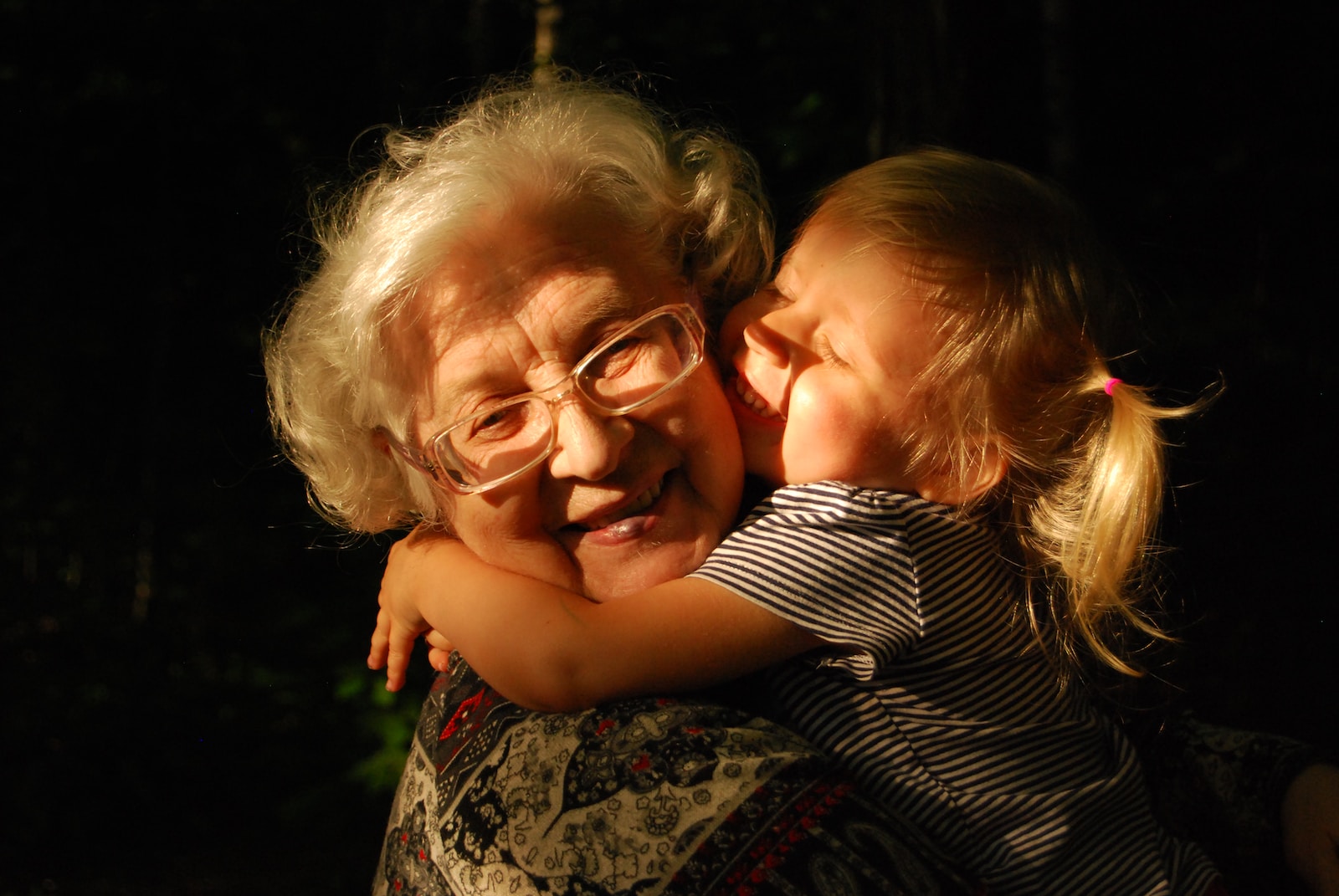
An intriguing study of 120 grandmothers might surprise you. Doctors know socially engaged people have better cognition and less dementia. But can a person get too much of a good thing? What’s the right balance?

Enjoy this great duet between a musician with dementia and his son. A triumph of spirit over Alzheimer’s! Sing-a-long if you like!

It looks like a sneeze cannot give anyone Alzheimer’s. While Alzheimer’s abnormal disease proteins do spread from cell-to-cell, they are not “infectious”. Check out the facts.