Cataract Removal Linked to Reduced Dementia Risk
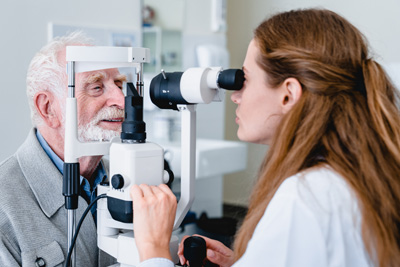
VIDEO + ARTICLE Eliminating sensory loss due to cataracts — by removing the cataracts — could reduce one’s risk of developing dementia, according to research
VIDEO + ARTICLE Eliminating sensory loss due to cataracts — by removing the cataracts — could reduce one’s risk of developing dementia, according to research

RESEARCH: Worms in the lab lose their wiggle when they have Alzheimer’s. But researchers found the Vitamin B12-deficient worms kept their wiggle when the deficit

VIDEO + ARTICLE: A study at UC San Francisco has found the odds of cognitive impairment are substantially higher for people with elevated depressive symptoms

RISK ASSESSMENT VIDEO + ARTICLE: A substantial proportion of brain changes might be due to risk factors that can be modified, according to a study

HEALTHY New Year’s resolutions can prevent dementia. Learn ways to lower your risk of dementia and attain lifelong benefits.

VIDEO: There is an explanation for why meat eaters may be at higher risk of developing dementia than vegetarians. Watch now.

DIET NEWS: Researchers find that certain people who produce equol — a substance created by gut bacteria after soy products are digested — display lower

Researchers at the University of Copenhagen have found certain types of physical activity are better than others in preventing dementia and disease. Find out more.

Researchers at Monash University are exploring the implications of treating obstructive sleep apnea to reduce the risk of dementia. This comes after finding a link

Researchers studying Australians with type 2 diabetes found those taking the first-line treatment medication metformin had significantly slower cognitive decline compared to those who did

Watch the huge “Giving Voice Chorus” come alive and rise above Alzheimer’s. Get inspired by the music that Alzheimer’s can’t shake.

TEEPA CARE VIDEO:
Teepa Snow explains what to expect as dementia takes over the brain. Learn how our fascinating brains work and affect our behavior.

Can a happier frame of mind help overcome aging’s cognitive decline? Ohio State University scientists share meaningful insights from their study.

Three important dementia studies focus on HS-AGING, a type of dementia almost as common as Alzheimer’s in the 85+ group. Yet few people have heard of it. Why? What makes it different?
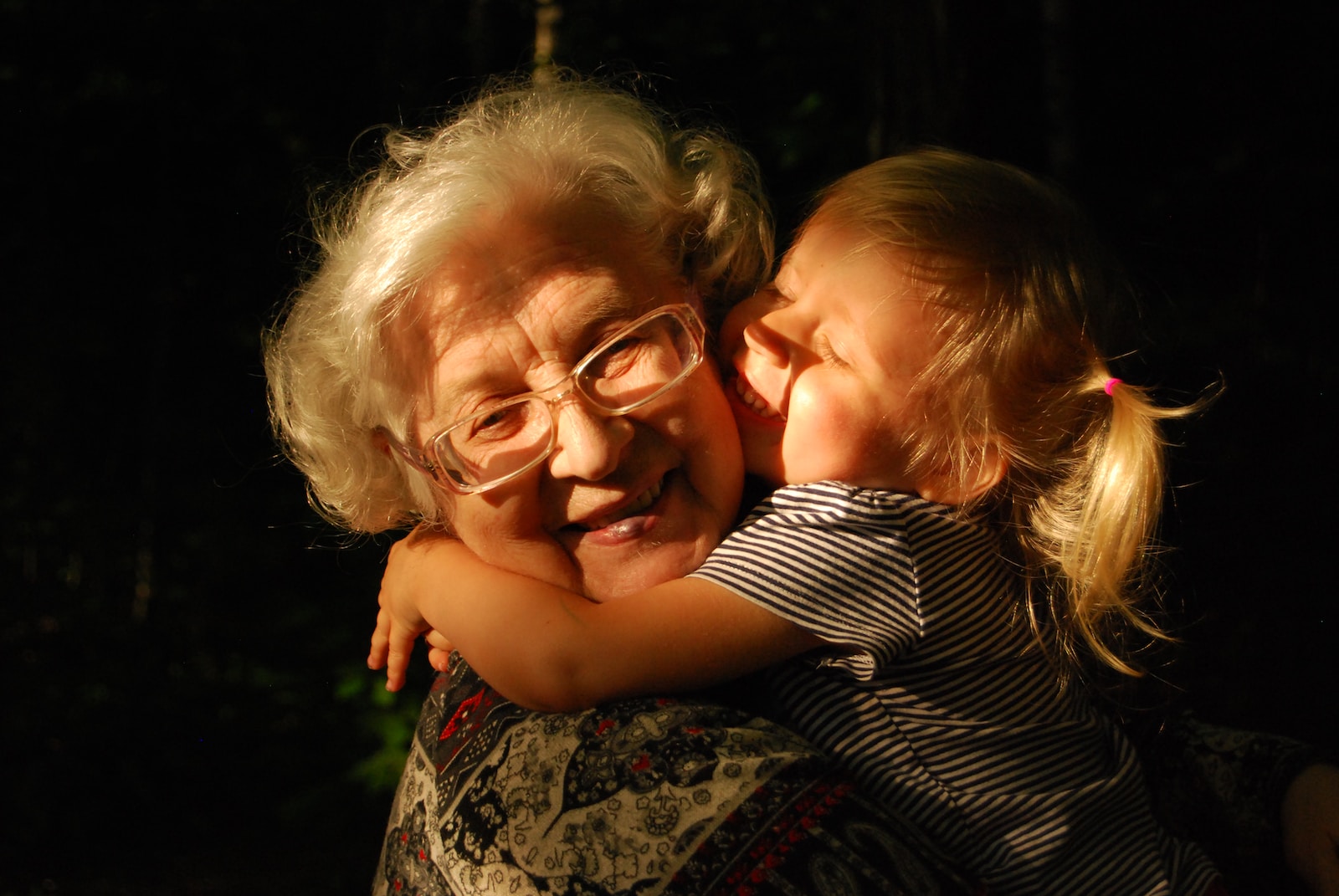
An intriguing study of 120 grandmothers might surprise you. Doctors know socially engaged people have better cognition and less dementia. But can a person get too much of a good thing? What’s the right balance?

Enjoy this great duet between a musician with dementia and his son. A triumph of spirit over Alzheimer’s! Sing-a-long if you like!

It looks like a sneeze cannot give anyone Alzheimer’s. While Alzheimer’s abnormal disease proteins do spread from cell-to-cell, they are not “infectious”. Check out the facts.