Could Omega-3 in Midlife Lessen Early-Onset Dementia Risk?
Higher midlife omega-3 levels were linked to lower early-onset dementia risk. It’s not proof — but it’s a meaningful signal worth paying attention to.
Higher midlife omega-3 levels were linked to lower early-onset dementia risk. It’s not proof — but it’s a meaningful signal worth paying attention to.

New evidence suggests genetics—not geography—may explain why Leqembi causes fewer ARIA brain side effects in parts of Asia, and what that means for families everywhere.

Alzheimer’s treatment eligibility may be far larger than previously thought. A major Nature study using blood tests suggests millions more older adults could qualify for treatment than current use reflects. As diagnosis becomes easier, demand for drugs like Leqembi could shift sharply.

Three major GLP-1 trials came out in late 2025. One weight-loss drug slowed early Alzheimer’s decline, while two others failed. Surprisingly, this mixed pattern may point the way toward a promising new treatment direction.

New research from the Framingham Heart Study shows that even mild hearing loss in midlife is linked to early signs of brain aging. The encouraging news: simple steps you take now may help protect memory, thinking skills, and long-term brain health.

A MAJOR NEW STUDY suggests regularly listening to or playing music cuts dementia risk by up to 39%. Here’s the research — and how to use music to bring calm, connection, and cognitive support into everyday care.

Leqembi is one of the first Alzheimer’s treatments proven to slow decline. A new MRI study helps explain what it can—and cannot—do in the brain’s early months, offering clearer expectations for caregivers.

New Alzheimer’s research reveals brain cells follow a daily rhythm. When that rhythm breaks, late-day confusion and agitation grow. Learn why sundowning happens — and five simple habits to help calm evenings.

New research shows that “time poverty” — not just poor habits — may quietly raise your dementia risk.
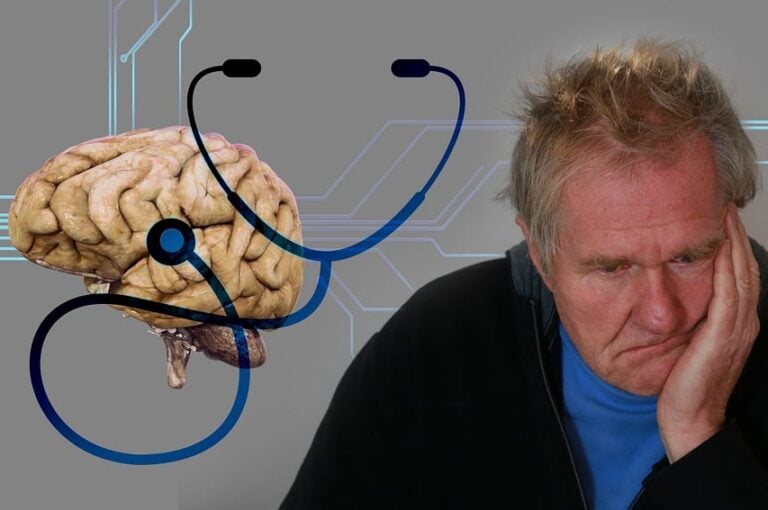
A major study finds up to 13% of people diagnosed with dementia may actually have a treatable liver-brain disorder called hepatic encephalopathy. The discovery could change how doctors and families approach memory loss in older adults.
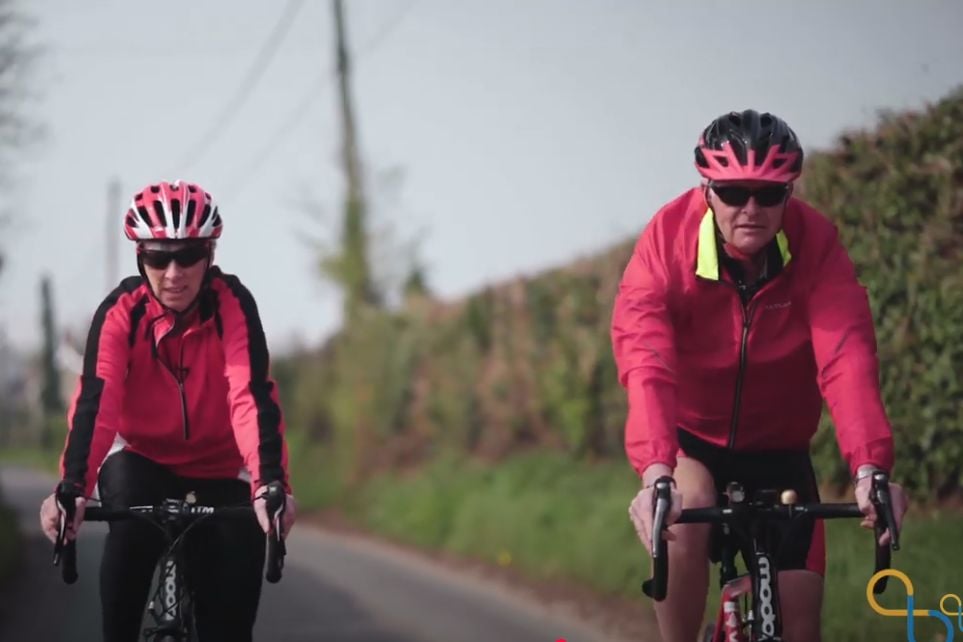
UPLIFTING VIDEO: Peter Berry & his Alzheimer’s are cycling 350 miles to show it’s still possible to live well with dementia.

Researchers found that spending time with horses — equine therapy — eases Alzheimer’s symptoms. Find out why.

GENETICS & LIFESTYLE VIDEO: How do family history and genetics affect a healthy person’s risk of Alzheimer’s? Watch Harvard’s Top Alzheimer’s researcher, Dr. Rudy Tanzi, offer down-to-Earth insights.

Three important dementia studies focus on HS-AGING, a type of dementia almost as common as Alzheimer’s in the 85+ group. Yet few people have heard of it. Why? What makes it different?
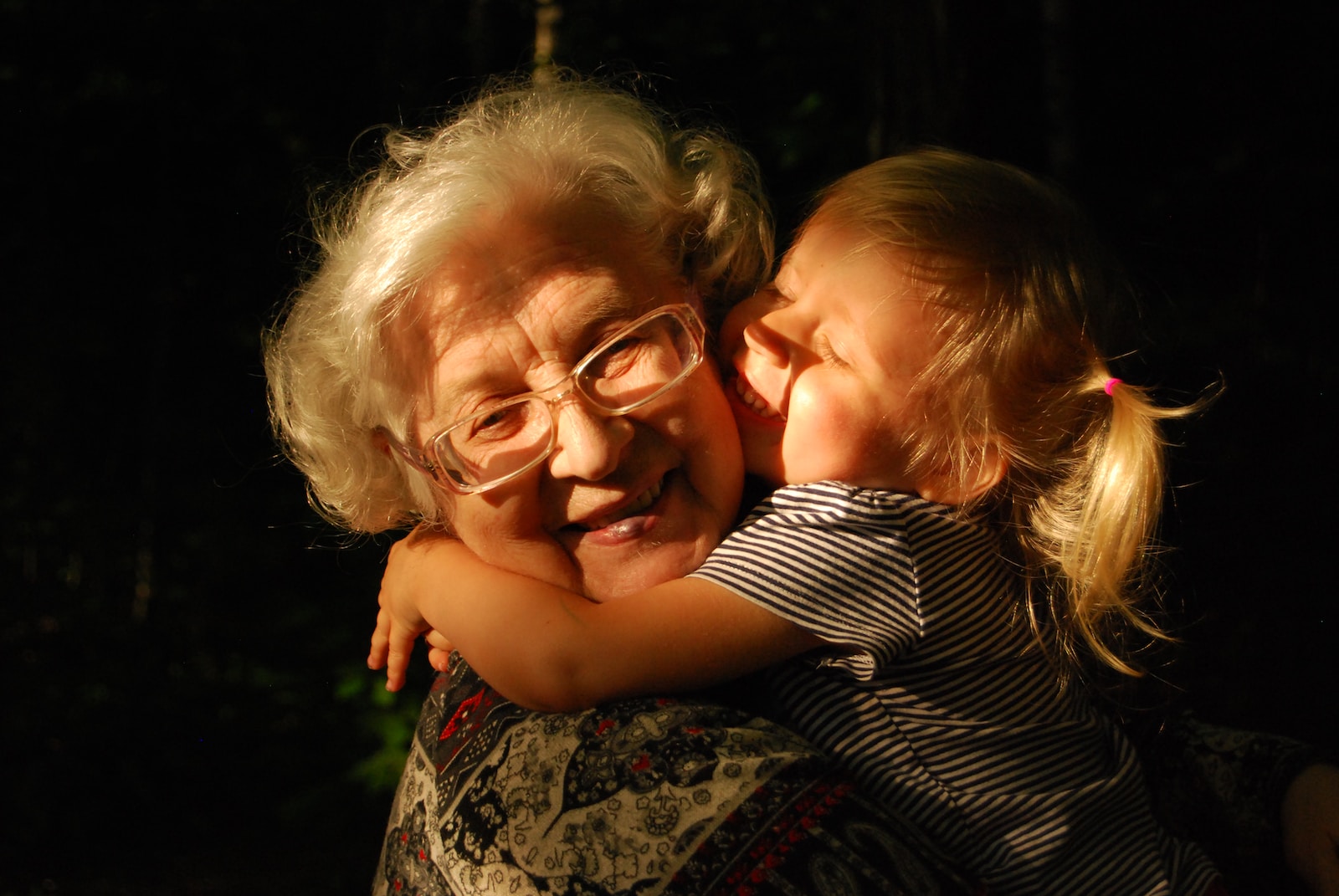
An intriguing study of 120 grandmothers might surprise you. Doctors know socially engaged people have better cognition and less dementia. But can a person get too much of a good thing? What’s the right balance?

Enjoy this great duet between a musician with dementia and his son. A triumph of spirit over Alzheimer’s! Sing-a-long if you like!

It looks like a sneeze cannot give anyone Alzheimer’s. While Alzheimer’s abnormal disease proteins do spread from cell-to-cell, they are not “infectious”. Check out the facts.