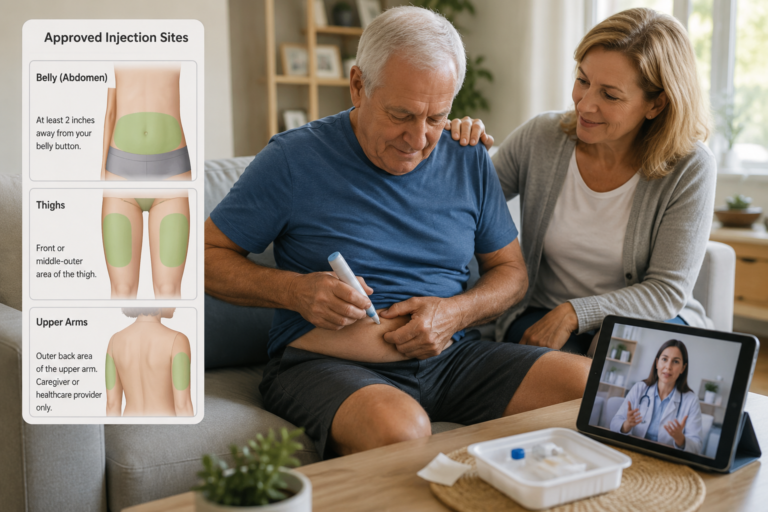
FDA Approves At-Home Leqembi Treatment for Alzheimer’s
Eligible patients can now begin Leqembi treatment at home, potentially reducing repeated infusion-center visits while preserving essential medical supervision and safety monitoring.
Eligible patients can now begin Leqembi treatment at home, potentially reducing repeated infusion-center visits while preserving essential medical supervision and safety monitoring.
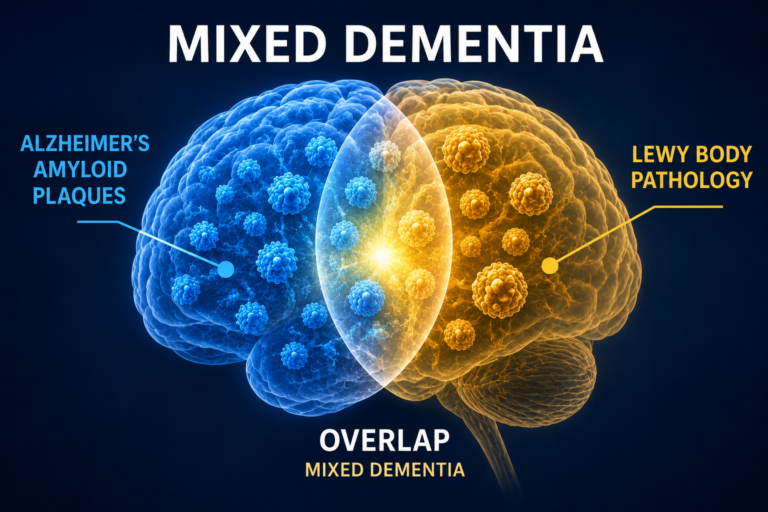
Over 50% of people with dementia have evidence of more than one type of dementia. A South Korean trial is testing Lilly’s Alzheimer’s drug Kisunla in people with both Lewy body dementia and Alzheimer’s. Success could open a new chapter in treating mixed dementia.

A Different Kind of Alzheimer’s Drug Just Delivered One of the Most Interesting Results in Years
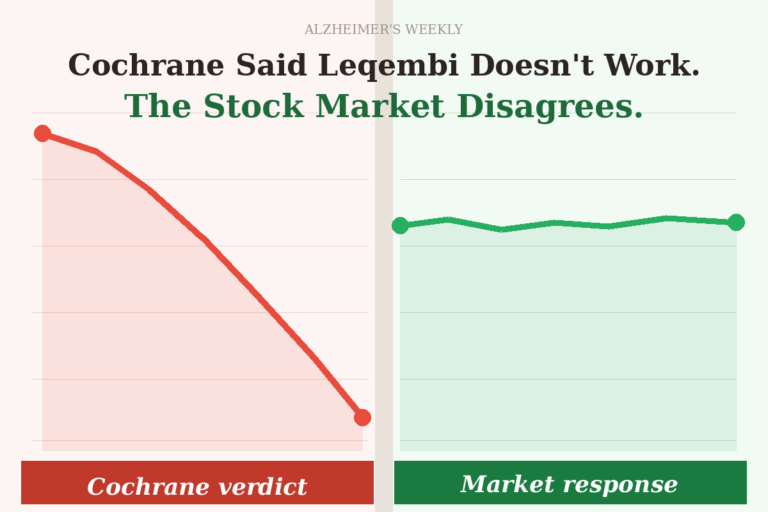
COCHRANE SERIES, PART 1 – WHAT HAPPENED:
A respected review called a breakthrough Alzheimer’s drug useless. Experts shrugged. Investors, who normally panic on such news, barely noticed. Here’s why that matters — and what it means for families weighing their options.

In a new deal with Alloy Therapeutics, Biogen—the makers of Leqembi—is investing in RNA technology that could point toward what comes next in Alzheimer’s care.

Could Leqembi be given faster and more easily in the future? The new Biogen–Alteogen deal suggests it’s possible—but it doesn’t confirm changes to Leqembi. Here’s what professionals and families should understand.

A new study suggests that very low sodium intake may be linked to faster memory decline in older adults.

New research reveals that Leqembi’s Fc region switches on microglia — the brain’s immune cells — helping them clear toxic amyloid. Here’s why that mechanism matters for treatment and safety.

Many diagnosed patients won’t qualify — here are the
7 medical criteria.

New early-onset Alzheimer’s data show that lecanemab can slow functional decline—even while tau continues to spread in the brain. The research helps explain how amyloid-lowering treatments may still preserve daily life, despite the disease’s complexity.

Twenty percent of people over 65 have mild memory and thinking problems that don’t interfere with day-to-day life. Doctors call this MCI, short for Mild Cognitive Impairment. Find out more about what it is and what to do about it.

FREE DOWNLOAD: This booklet is rich with care practices based on research by highly-credentialed investigators.

ALZHEIMER’S & ART – VIDEO: Art helps people with Alzheimer’s enjoy the moment. The “Contemporary Journeys” program shows, it’s a life that can still offer both great joy and meaningful experiences – through the power of art. Kate McDonald of Twin Cities PBS in Minneapolis reports.

Three important dementia studies focus on HS-AGING, a type of dementia almost as common as Alzheimer’s in the 85+ group. Yet few people have heard of it. Why? What makes it different?
An intriguing study of 120 grandmothers might surprise you. Doctors know socially engaged people have better cognition and less dementia. But can a person get too much of a good thing? What’s the right balance?

Enjoy this great duet between a musician with dementia and his son. A triumph of spirit over Alzheimer’s! Sing-a-long if you like!

It looks like a sneeze cannot give anyone Alzheimer’s. While Alzheimer’s abnormal disease proteins do spread from cell-to-cell, they are not “infectious”. Check out the facts.