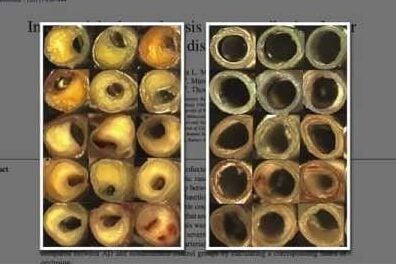
Today’s Brains are 6% Larger with 20% Less Dementia
A long, long time ago (1930), brains were smaller. Are today’s bigger brains connected to improvements in rates of dementia?
A long, long time ago (1930), brains were smaller. Are today’s bigger brains connected to improvements in rates of dementia?

Trontinemab is a very exciting experimental drug, showing great promise in rapidly clearing Alzheimer’s amyloid plaques from the brains of affected individuals, with remarkably little side effects.

See why Cognito’s headset received FDA Breakthrough Device Designation for addressing cognitive and functional symptoms associated with Alzheimer’s.

Fiber improved performance in memory tests associated with early Alzheimer’s in just 12 weeks.
Fiber is cheap, available as over-the counter supplements, safe and just right for these cash-strapped times.

Scientists found a way to predict Alzheimer’s up to seven years before symptoms appear using A.I.

The first 3D-printed brain tissue that can grow and function like typical brain tissue is a major breakthrough for scientists in search of an Alzheimer’s cure.

What do today’s Tsimane people have in common with ancient Greeks and Romans? A remarkably low rate of dementia. What’s their secret?

The BrainSee Alzheimer’s Test represents a cost-lowering advancement in diagnostics. It offers a fully non-invasive, convenient, and globally accessible screening solution.

What happened to brain networks and connectivity in older adults walking four days a week on a treadmill?

Find out how two biomarkers in saliva diagnose pain in dementia, effectively and non-invasively.

What is vascular dementia, the second most common of the dementias? What causes it? Can it be prevented or cured?

VIDEO: Kate Swaffer had to leave her job after she was diagnosed with dementia at the age of 49. See why she co-founded Dementia Awareness International, which is now giving a powerful voice to people with Dementia.

Microsoft Research’s SenseCam aids memory by recording a patient’s life in photos. Subsequent review of images by a patient diagnosed with severe memory impairment was extremely positive; periodic review of images resulted in significant recall of those events.

Three important dementia studies focus on HS-AGING, a type of dementia almost as common as Alzheimer’s in the 85+ group. Yet few people have heard of it. Why? What makes it different?
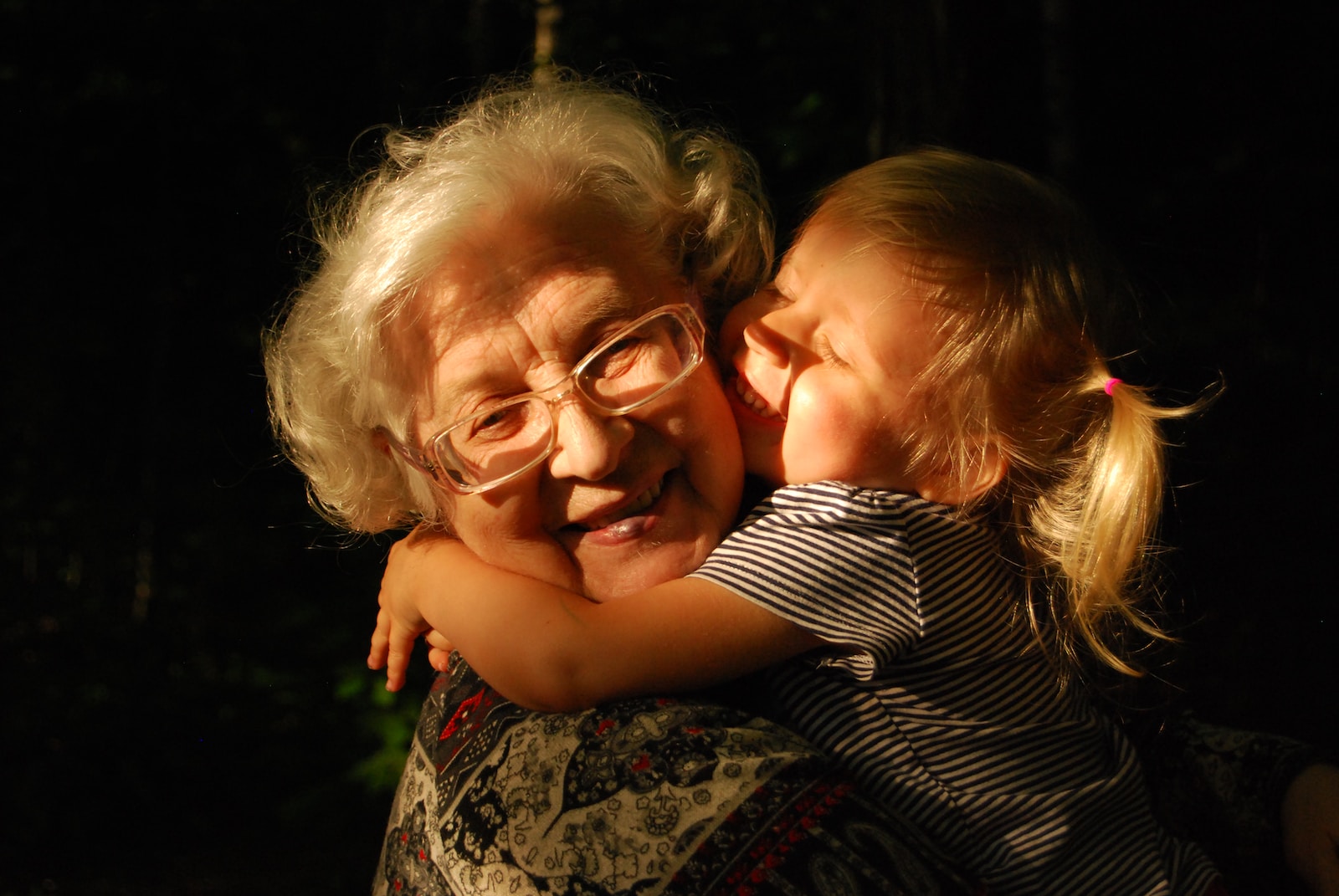
An intriguing study of 120 grandmothers might surprise you. Doctors know socially engaged people have better cognition and less dementia. But can a person get too much of a good thing? What’s the right balance?

Enjoy this great duet between a musician with dementia and his son. A triumph of spirit over Alzheimer’s! Sing-a-long if you like!

It looks like a sneeze cannot give anyone Alzheimer’s. While Alzheimer’s abnormal disease proteins do spread from cell-to-cell, they are not “infectious”. Check out the facts.