Do Babies’ Tau Proteins Hold the Key to Curing Alzheimer’s?
Why Do Babies Have More Alzheimer’s Protein Than Adults? A Surprising Clue to Future Treatments
Why Do Babies Have More Alzheimer’s Protein Than Adults? A Surprising Clue to Future Treatments

Diagnosing the right dementia type often takes months. It can make a big difference. Mayo Clinic’s AI tool identifies 9 dementia types, including Alzheimer’s, with one scan — a transformative advance in early, accurate diagnosis.

Bill Gates says, “I am blown away by how much we have learned about Alzheimer’s disease over the last couple years.” See his compelling video and insight-filled blog post.
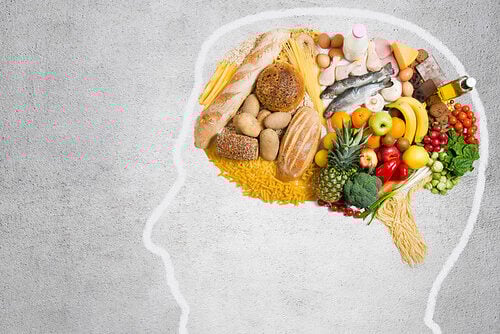
Adopting the MIND diet—even later in life—is linked with reduced dementia risk
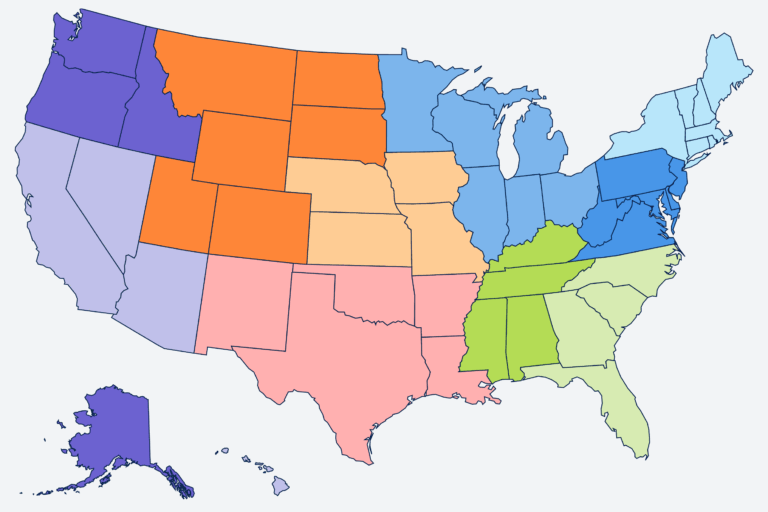
See one of the largest and most comprehensive studies identifying where dementia occurs most often.

Sleep aid lemborexant (better known by its brand name Dayvigo) showed 40% more hippocampal brain volume than other drugs.

Lecanemab is today’s #1 Alzheimer’s antibody. (Brand name: Leqembi) Washington University researchers found Lecanemab’s adverse events to be rare and manageable in very mild or mild Alzheimer’s.

New Test Provides Less Invasive Option, Reduces Reliance on PET Scans and Increases Diagnosis Accessibility

The drugs, called NRTIs, have the potential to prevent a million cases of Alzheimer’s every year, the researchers believe.

Alzheimer’s rates are on the rise. How is today’s best treatment, Leqembi (generic lecanemab) doing in the fight against it?
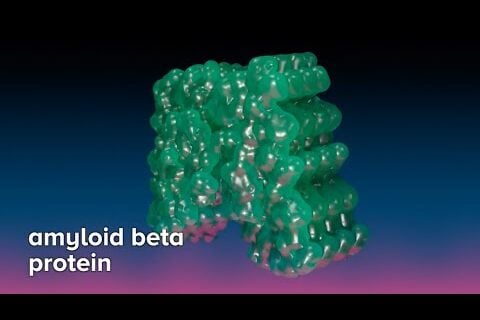
CUTTING-EDGE VIDEO + ARTICLE: See Dr. Anthony Fitzpatrick use world-class cryo-electron microscopes to reveal molecular secrets leading to a cure for Alzheimer’s.
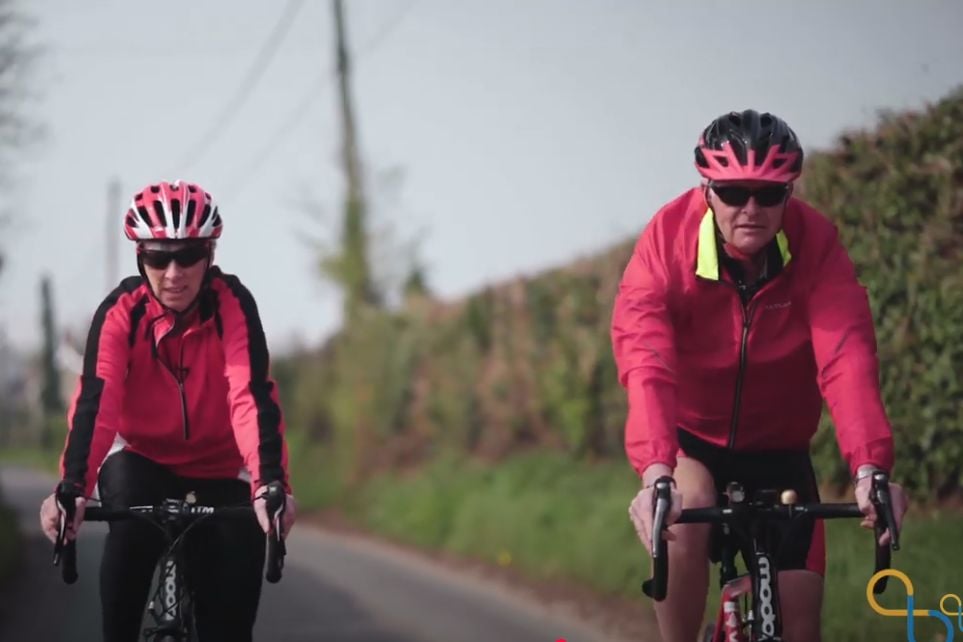
UPLIFTING VIDEO: Peter Berry & his Alzheimer’s are cycling 350 miles to show it’s still possible to live well with dementia.

Researchers found that spending time with horses — equine therapy — eases Alzheimer’s symptoms. Find out why.

Three important dementia studies focus on HS-AGING, a type of dementia almost as common as Alzheimer’s in the 85+ group. Yet few people have heard of it. Why? What makes it different?
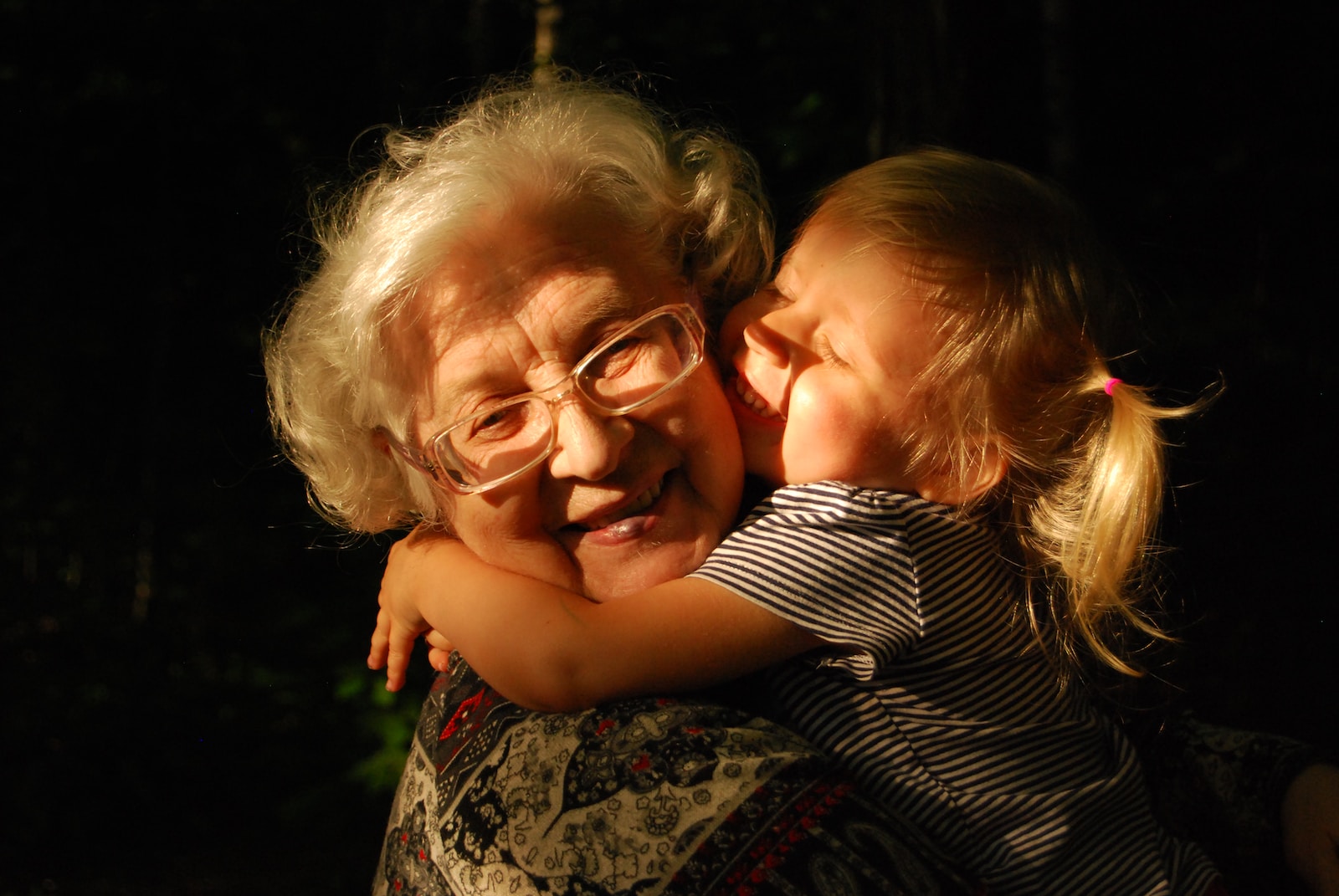
An intriguing study of 120 grandmothers might surprise you. Doctors know socially engaged people have better cognition and less dementia. But can a person get too much of a good thing? What’s the right balance?

Enjoy this great duet between a musician with dementia and his son. A triumph of spirit over Alzheimer’s! Sing-a-long if you like!

It looks like a sneeze cannot give anyone Alzheimer’s. While Alzheimer’s abnormal disease proteins do spread from cell-to-cell, they are not “infectious”. Check out the facts.