Tumeric Has the Spice of Life for Nanoparticles
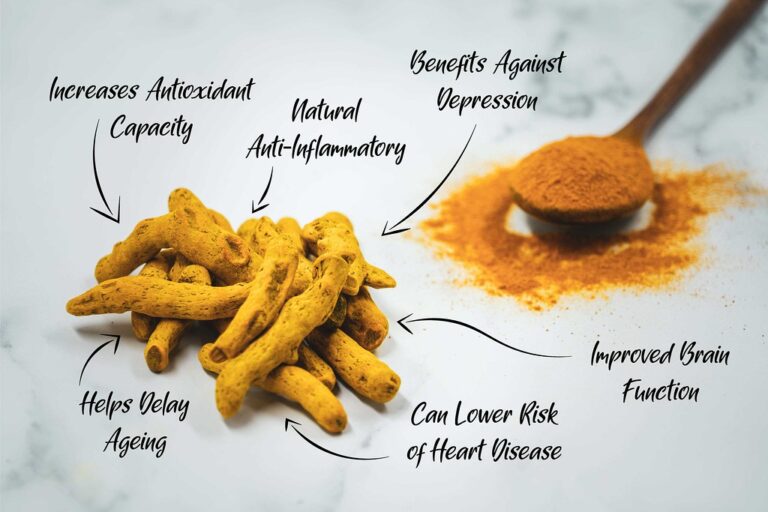
Australian researchers show nanoparticles that contain curcumin, from turmeric, not only prevent cognitive deterioration, but also reverse the damage. Find out more about this exciting development.
Australian researchers show nanoparticles that contain curcumin, from turmeric, not only prevent cognitive deterioration, but also reverse the damage. Find out more about this exciting development.
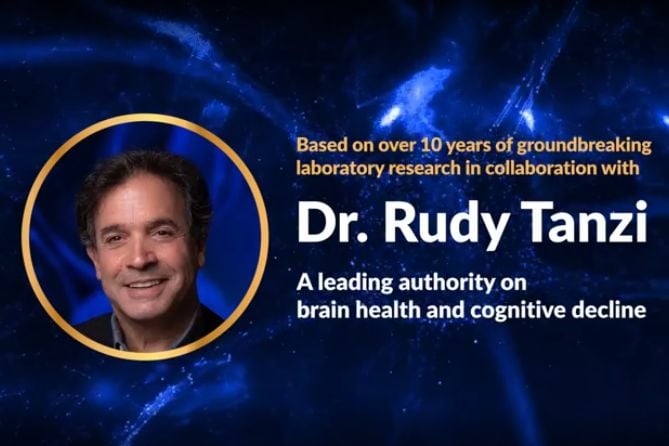
Dr. Rudy Tanzi is Professor of Neurology at Harvard Medical and Director of McCance Center for Brain Health. Based on 3 decades of his research, learn how CogniSHIELD uniquely protects against amyloid, inflammation and Alzheimer’s.

Could a nasal spray help memory loss? A new study using Aptar’s delivery system shows insulin reaching key brain regions, offering new hope for treating Alzheimer’s and mild cognitive impairment.

VIDEO + ARTICLE:
Ergothioneine (ET) from mushrooms has been associated with brain health for years. In a six-year study, seniors consuming 300 grams of mushrooms weekly had 50% less risk of mild cognitive impairment (MCI, often referred to as pre-dementia). Get the facts about this correlation.
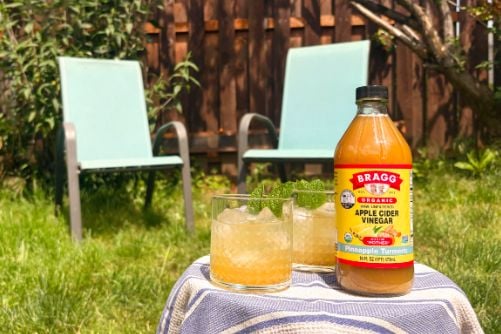
A new pineapple turmeric apple cider vinegar blend from Bragg is turning heads—not just for its flavor, but for its potential brain-boosting benefits. Could this tangy tonic play a role in Alzheimer’s prevention?

Salk Institute’s J147 is a derivative of turmeric, a spice used in curry. Learn how it fights memory deficits and has a host of unexpected anti-aging effects in the lab.
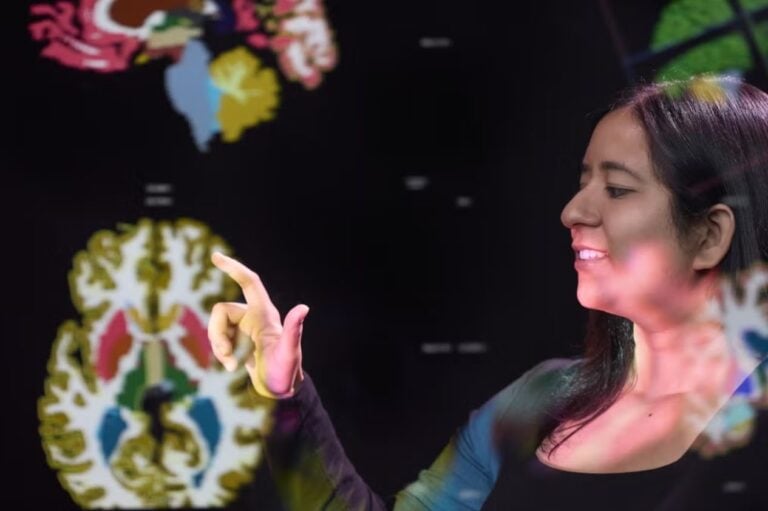
A nutrient hidden in your daily meals could hold the key to preventing and slowing Alzheimer’s. Discover what Arizona researchers are revealing about the power of choline.

Rosemary naturally works like Aricept® (generic: donepezil), treating Alzheimer’s by blocking AChE. Learn about rosemary’s dementia-fighting benefits from Dr. J. Duke.
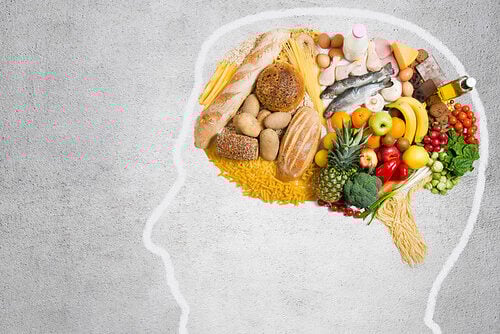
Adopting the MIND diet—even later in life—is linked with reduced dementia risk

Copper hits the brain with a one-two punch. It inhibits clearance of, AND it stimulates production of, Alzheimer’s plaque. See why copper is a key player in Alzheimer’s.

DIAGNOSIS VIDEO: Recognize the 10 early signs of dementia. Watch this engaging, clear presentation by Dementia Care Trainer Teepa Snow.

DIET VIDEO: What is the link between weight loss, mental performance, decision-making and dementia risk?

DEMENTIA TEST + INSTRUCTIONS:
The RUDAS Dementia Test is brief, effective and free. It works well for most people. (It performs even better than other quick tests for people with cultural barriers, low education levels, or when English is not one’s first language.)

Three important dementia studies focus on HS-AGING, a type of dementia almost as common as Alzheimer’s in the 85+ group. Yet few people have heard of it. Why? What makes it different?
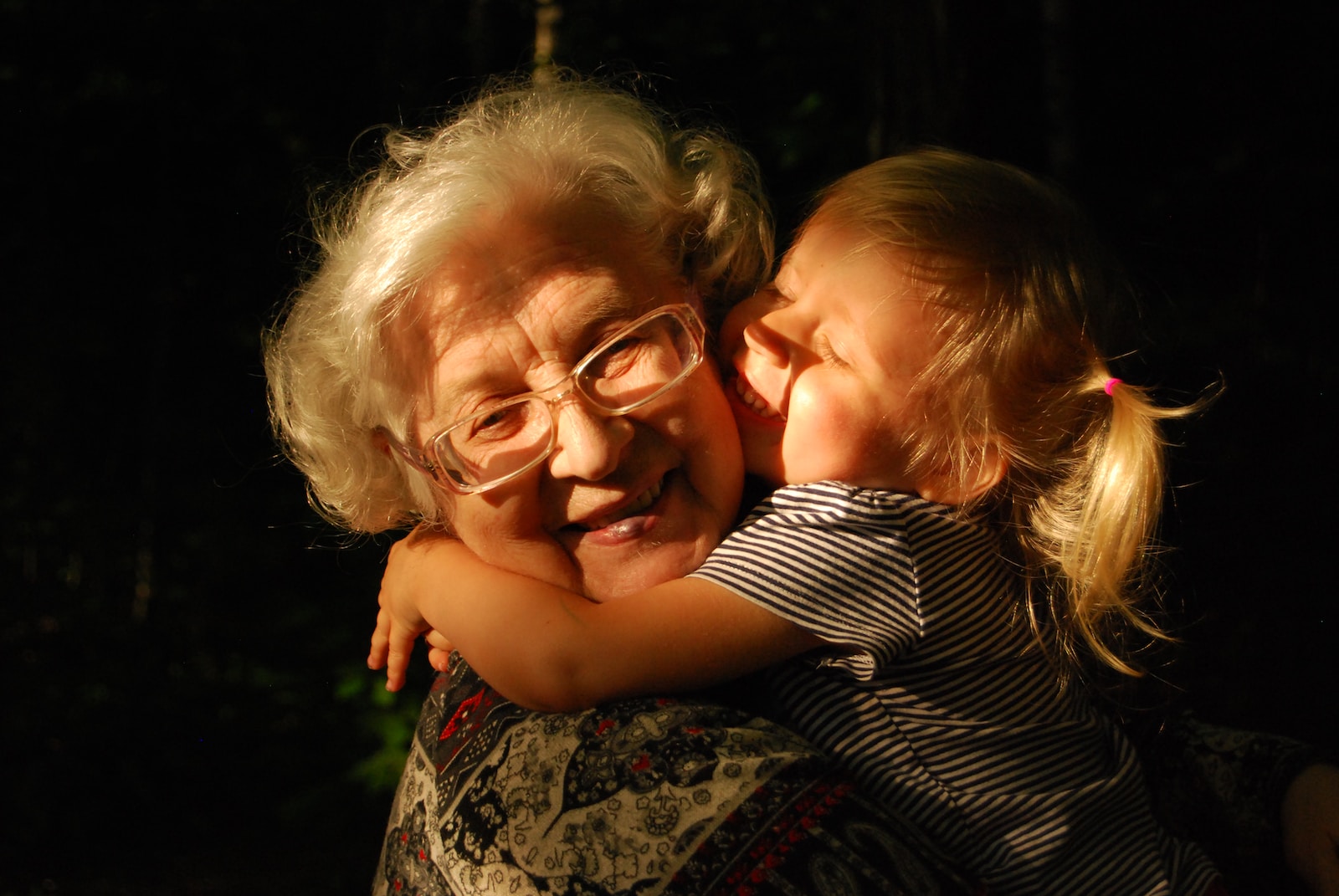
An intriguing study of 120 grandmothers might surprise you. Doctors know socially engaged people have better cognition and less dementia. But can a person get too much of a good thing? What’s the right balance?

Enjoy this great duet between a musician with dementia and his son. A triumph of spirit over Alzheimer’s! Sing-a-long if you like!
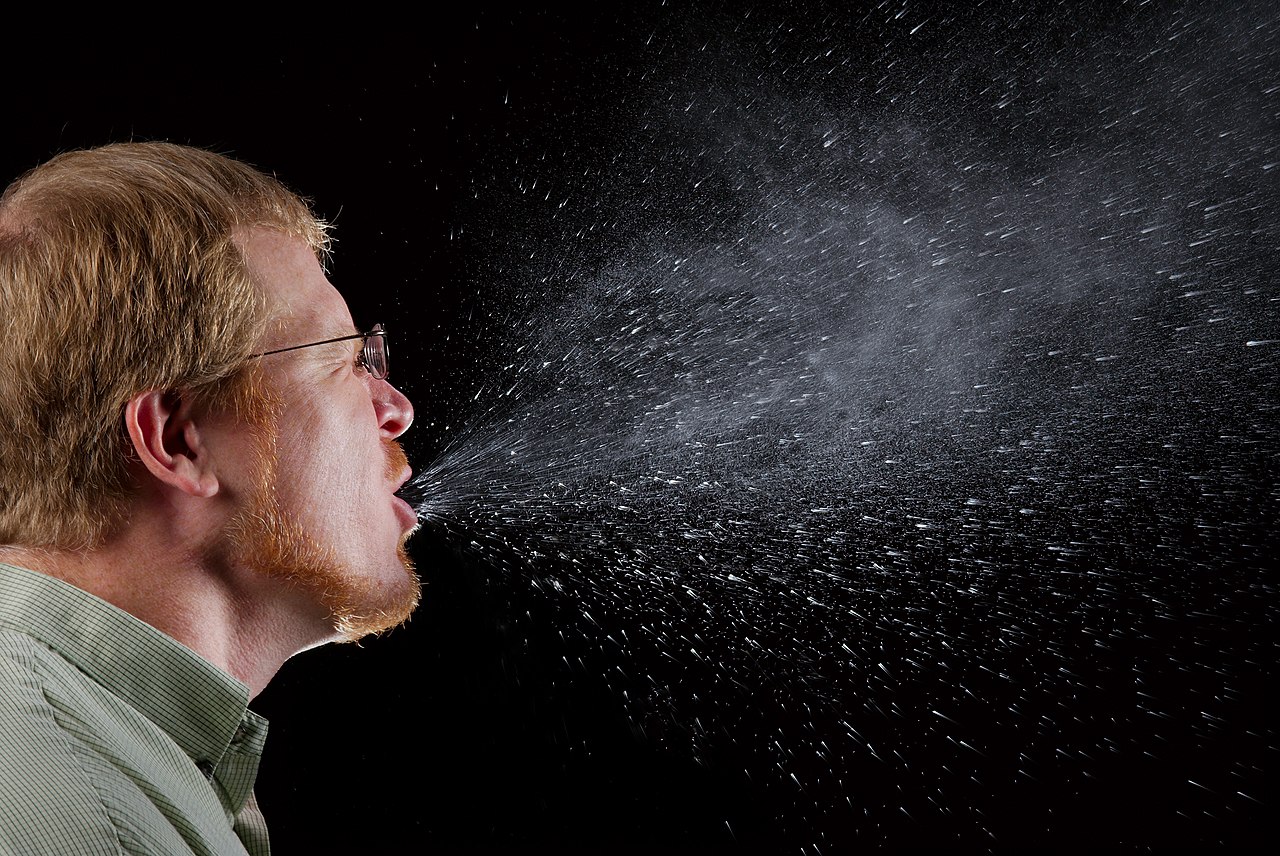
It looks like a sneeze cannot give anyone Alzheimer’s. While Alzheimer’s abnormal disease proteins do spread from cell-to-cell, they are not “infectious”. Check out the facts.