In with the Coffee, Out with the Soda
Drinking to fight dementia? Which drinks are good and which are bad?
Harvard & Cleveland Clinic researchers offer scientific advice.
Drinking to fight dementia? Which drinks are good and which are bad?
Harvard & Cleveland Clinic researchers offer scientific advice.
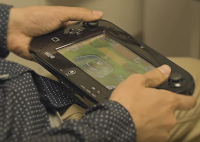
Don’t put that controller down just yet. Playing three-dimensional video games – besides being lots of fun – can boost the formation of memories, according to University of California neurobiologists.

A diet that combines unsaturated fats with nitrite-rich vegetables, such as olive oil and lettuce, can protect you from hypertension and vascular dementia.

In a study on health & cynicism, people were asked how much they agree with statements such as, “I think most people would lie to get ahead,” and “It is safer to trust nobody”. The clear connection between their answers and their risk of dementia may startle you.
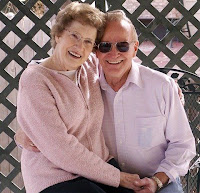
Researchers find optimistic people contribute to the health of their partners, staving off risk factors leading to Alzheimer’s disease, other dementias and cognitive decline as they grow old together.

The protein BDNF builds synapses in the human brain, nurturing brain cells and fighting off dementia. While there is no artificial way of boosting it, social and cognitive activity can.
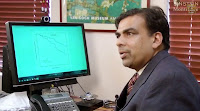
People may not have easy access to sophisticated, expensive dementia tests. A simple test from Einstein Medicine uses a stopwatch and a few questions to determine one’s risk of dementia. The potential payoff could be tremendous for individuals, their families and society.
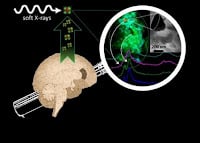
Dietary iron is an essential element in the brain. That’s why it is critical to understand how it affects Alzheimer’s. Researchers used advanced X-ray techniques to take a giant step forward in understanding iron chemistry in amyloid plaque, the main culprit behind Alzheimer’s. Learn more about their exciting new insights.

SOCIALIZING in your 50s and 60s strongly predicts less dementia later on. Learn why, from new research by University College London. See Ohio State University demonstrate how true it is, from animals to people.
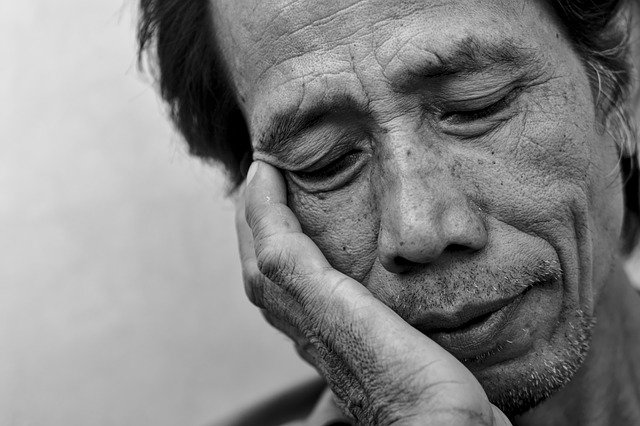
Too much sleep and too little sleep can contribute to cognitive decline, researchers report. Learn more.

EMERGENCY INFOGRAPH: People with dementia are especially vulnerable in natural disasters and extreme weather. Share this infographic of 6 things you can do to prepare against unexpected conditions.

See Harvard Alzheimer’s expert Dr. Rudy Tanzi and Deepak Chopra explore cutting edge research and insights on sleep’s capacity to prevent Alzheimer’s.

INFO + CHECKLISTS: Dementia demands preparation. When bad weather strikes, be ready. This post includes checklists to help you prepare, tips on how to ride it out, plus ways to get back on your feet in the aftermath.

Three important dementia studies focus on HS-AGING, a type of dementia almost as common as Alzheimer’s in the 85+ group. Yet few people have heard of it. Why? What makes it different?
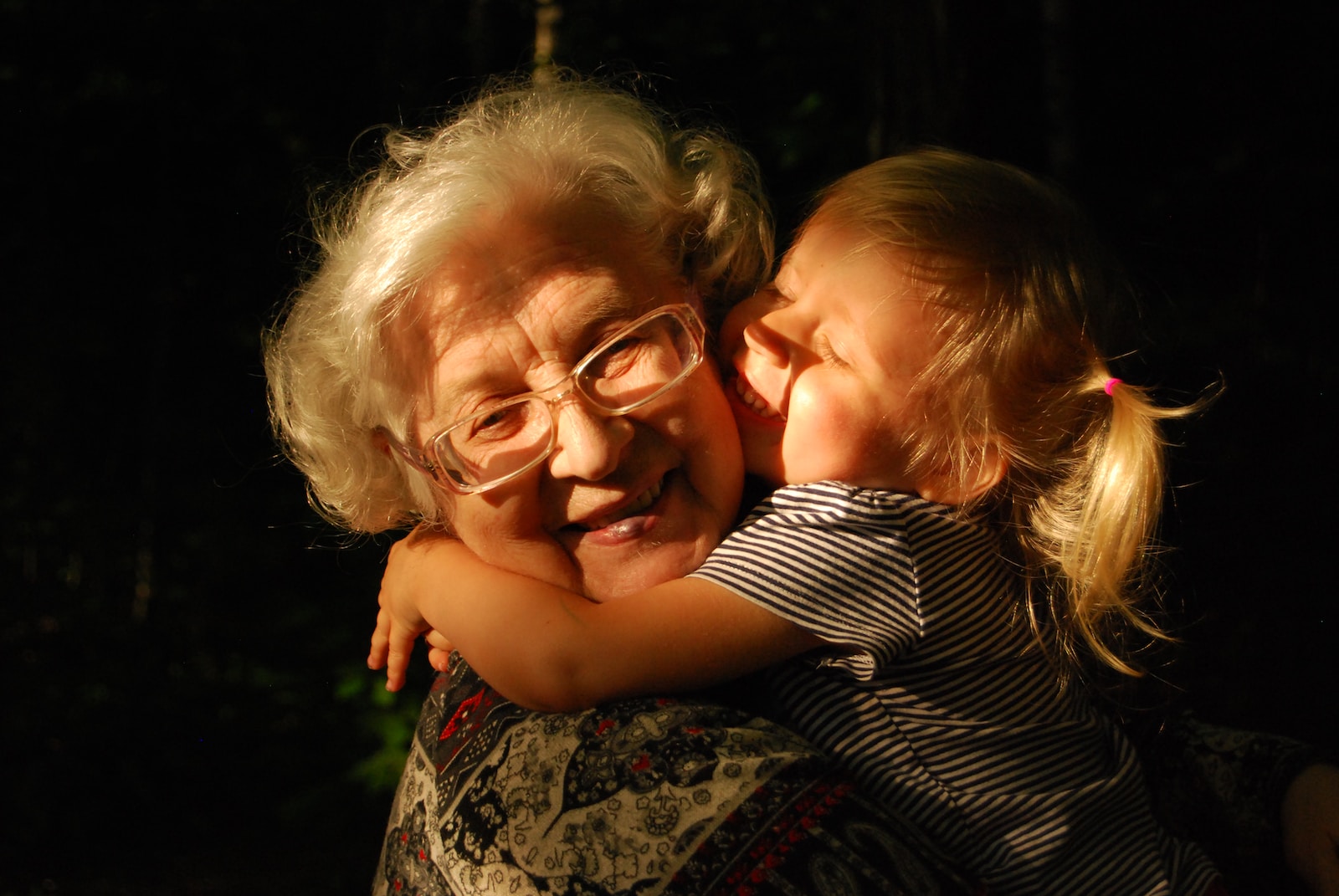
An intriguing study of 120 grandmothers might surprise you. Doctors know socially engaged people have better cognition and less dementia. But can a person get too much of a good thing? What’s the right balance?

Enjoy this great duet between a musician with dementia and his son. A triumph of spirit over Alzheimer’s! Sing-a-long if you like!
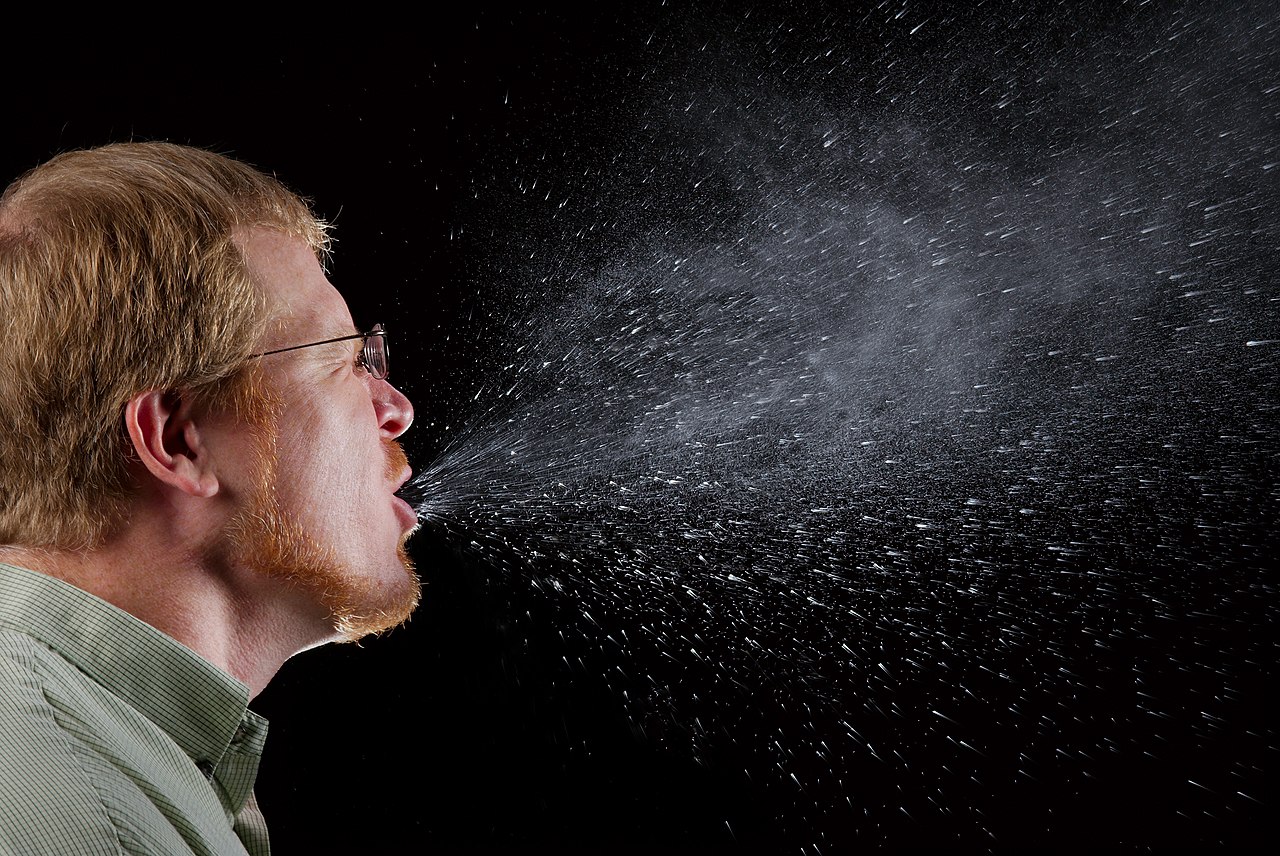
It looks like a sneeze cannot give anyone Alzheimer’s. While Alzheimer’s abnormal disease proteins do spread from cell-to-cell, they are not “infectious”. Check out the facts.