5 Ways Families Can Lower Alzheimer’s Risk
Families may share genes, but they can also share habits that protect the brain. Mayo Clinic experts remind us that everyday choices — not just DNA — make a powerful difference.
Families may share genes, but they can also share habits that protect the brain. Mayo Clinic experts remind us that everyday choices — not just DNA — make a powerful difference.
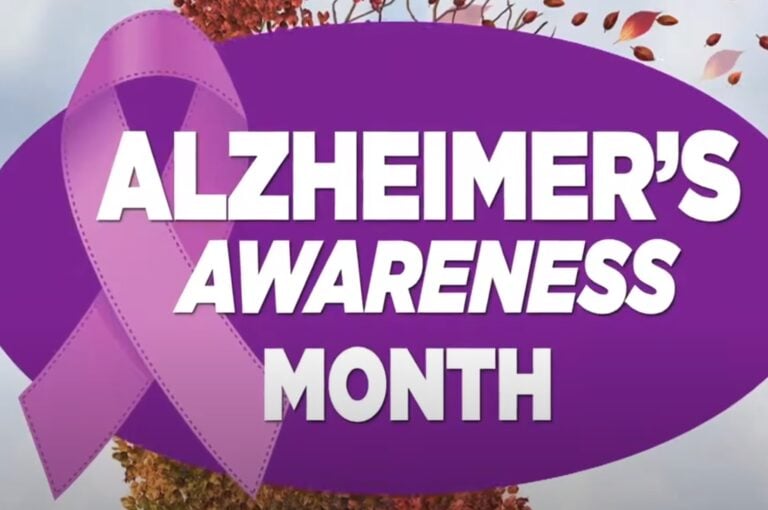
For Alzheimer’s Awareness Month, spread this video to raise awareness of simple things you can do to prevent Alzheimer’s.

Simple, science-backed habits can keep your brain sharp, lower dementia risk, and boost memory — no matter your age. Here’s how to make them part of everyday life.

New research shows that “time poverty” — not just poor habits — may quietly raise your dementia risk.

A major study of over 10,000 older adults found that those who regularly listened to or played music not only had a much lower risk of dementia, but also performed better on memory tests.

As little as 1% increase in deep-sleep per year, for people over 60, translates into a 27% decreased risk of dementia.

Even in later life, quitting smoking significantly reduces dementia risk.
New research published in The Lancet offers renewed hope — it’s never too late to protect your brain.

Some everyday medicines may nudge dementia risk higher — but safer, equally effective alternatives often exist. Here’s how to replace high-risk drugs with brain-friendlier options

The biggest-ever study of genetic and observational data now suggests no safe level of alcohol when it comes to dementia risk. Could even “light drinking” be harmful?

What if protecting your brain started not with a pill, but with a purpose? A new study finds that people with a strong sense of purpose in life are significantly less likely to develop dementia — cutting their risk by nearly one-third.

WATCH FIREFIGHTERS learn how it feels to have dementia and rescue people with Alzheimer’s in an emergency crisis.

TEEPA VIDEO: THE STRESS of dementia on caregivers is unique. See Teepa Snow shine her special light on what to do about the stress.

FILM SHORT: Meet 6 people living fulfilling lives with dementia. This award-winning, true film explores the needs and feelings of real people with dementia.

Three important dementia studies focus on HS-AGING, a type of dementia almost as common as Alzheimer’s in the 85+ group. Yet few people have heard of it. Why? What makes it different?
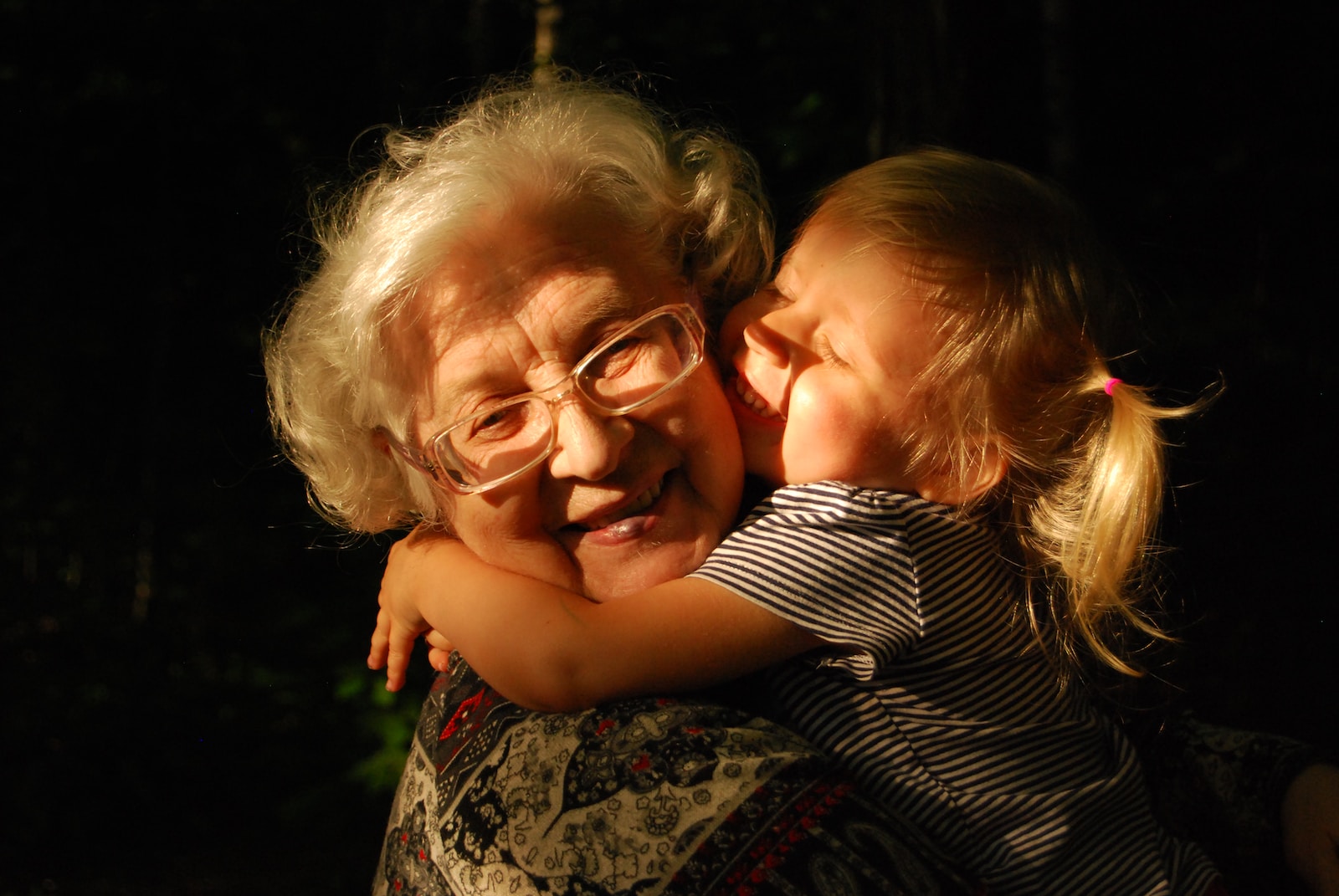
An intriguing study of 120 grandmothers might surprise you. Doctors know socially engaged people have better cognition and less dementia. But can a person get too much of a good thing? What’s the right balance?

Enjoy this great duet between a musician with dementia and his son. A triumph of spirit over Alzheimer’s! Sing-a-long if you like!

It looks like a sneeze cannot give anyone Alzheimer’s. While Alzheimer’s abnormal disease proteins do spread from cell-to-cell, they are not “infectious”. Check out the facts.