
New Alzheimer’s Drug Lecanemab: High price tag, Moderate warnings
The FDA has approved generic lecanemab (brand name Leqembi®). The new drug can slow the progression of Alzheimer’s. Two top doctors discuss the pros and cons.
The FDA has approved generic lecanemab (brand name Leqembi®). The new drug can slow the progression of Alzheimer’s. Two top doctors discuss the pros and cons.
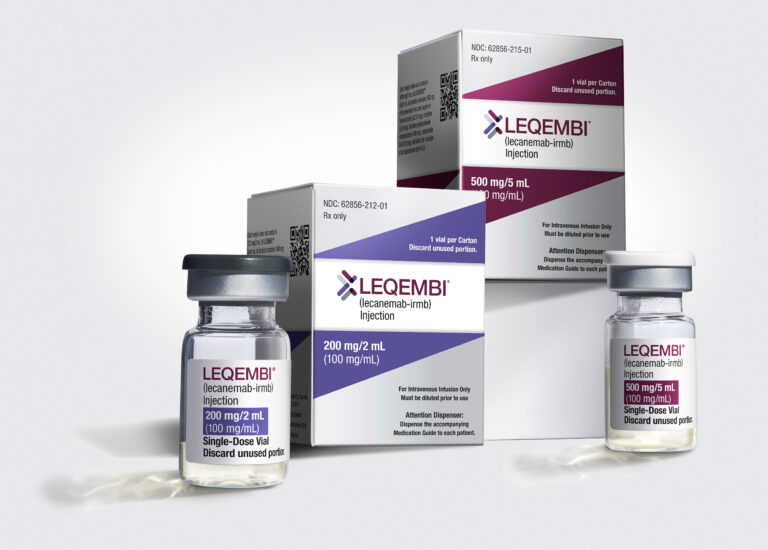
First drug to modestly slow Alzheimer’s cognitive decline, based on 1,800 patients.
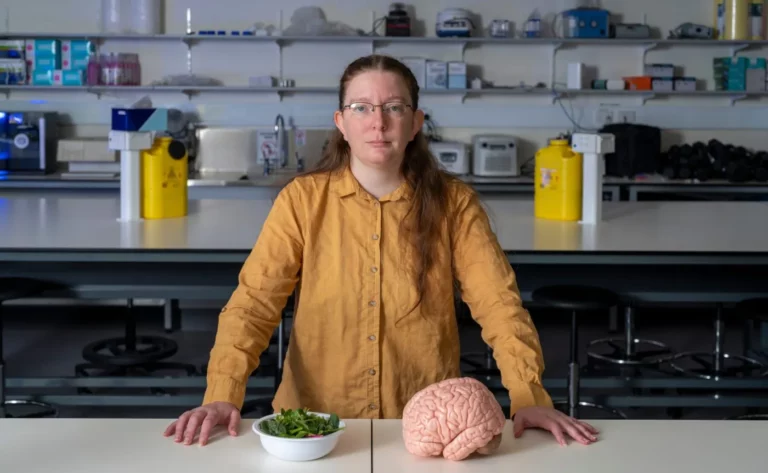
More magnesium in our daily diet leads to better brain health as we age, according to scientists from the Neuroimaging and Brain Lab at The Australian National University (ANU).

A large study led by Lund University in Sweden has shown that people with Alzheimer’s disease can now be identified before they experience any symptoms.
The FDA Advisory Committee’s endorsement of Leqembi paves way for traditional approval, ushers in a new era for Alzheimer’s

Taking a daily multivitamin supplement can slow age-related memory decline, researchers found.

More proof that you are what you eat, at least to a certain extent. Researchers found those who follow the MIND or Mediterranean diet showed fewer signs of Alzheimer’s in their brains. Learn more.

See Harvard Alzheimer’s expert Dr. Rudy Tanzi and Deepak Chopra explore cutting edge research and insights on sleep’s capacity to prevent Alzheimer’s.

INFO + CHECKLISTS: Dementia demands preparation. When bad weather strikes, be ready. This post includes checklists to help you prepare, tips on how to ride it out, plus ways to get back on your feet in the aftermath.

LAW & MONEY: Get ahead of the legal & financial challenges of Alzheimer’s. This Fact Sheet is a great place to start.

Three important dementia studies focus on HS-AGING, a type of dementia almost as common as Alzheimer’s in the 85+ group. Yet few people have heard of it. Why? What makes it different?

An intriguing study of 120 grandmothers might surprise you. Doctors know socially engaged people have better cognition and less dementia. But can a person get too much of a good thing? What’s the right balance?

Enjoy this great duet between a musician with dementia and his son. A triumph of spirit over Alzheimer’s! Sing-a-long if you like!

It looks like a sneeze cannot give anyone Alzheimer’s. While Alzheimer’s abnormal disease proteins do spread from cell-to-cell, they are not “infectious”. Check out the facts.