
Smart Drug Alternatives to Help Protect Memory
Some everyday medicines may nudge dementia risk higher — but safer, equally effective alternatives often exist. Here’s how to replace high-risk drugs with brain-friendlier options
Some everyday medicines may nudge dementia risk higher — but safer, equally effective alternatives often exist. Here’s how to replace high-risk drugs with brain-friendlier options

The biggest-ever study of genetic and observational data now suggests no safe level of alcohol when it comes to dementia risk. Could even “light drinking” be harmful?

What if protecting your brain started not with a pill, but with a purpose? A new study finds that people with a strong sense of purpose in life are significantly less likely to develop dementia — cutting their risk by nearly one-third.

Dr. Michael Gregger, Director of the authoritative NutritionFacts site, asks, “Why has fish consumption been associated with cognitive impairment and loss of executive function?”

Simple, low-cost lifestyle changes can significantly slow or prevent cognitive decline. New research offers hope for families, caregivers, and anyone invested in brain health.

The spice turmeric contains curcumin. In a UCLA study, curcumin significantly improved memory and mildly improved mood in people with memory problems.

What are the early symptoms of Alzheimer’s? When to get a professional evaluation.
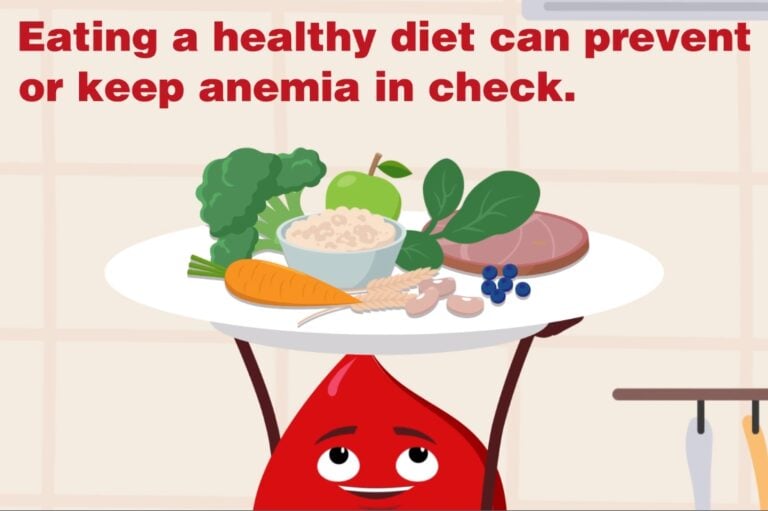
Anemia (low level of red blood cells) can increase dementia risk 41%. You can do something about it. Learn what it takes.

Sugar, the brain, and Alzheimer’s – just how tight is their connection? Check out this update from Tulane University’s targeted study.
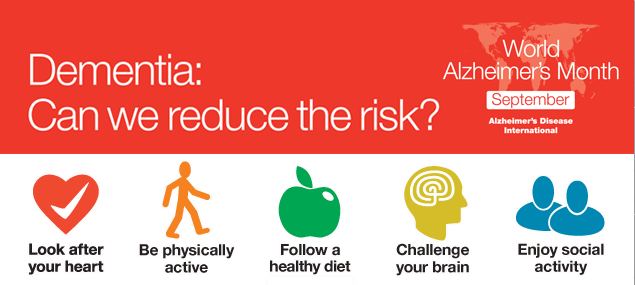
START WORLD ALZHEIMER’S MONTH WITH A HEALTHY DEMENTIA-FIGHTING INFOGRAPH & VIDEO.
Prevent dementia. Learn how to lower your Alzheimer’s risk. Be good to your brain this World Alzheimer’s Month.
See why Leqembi is even more effective in males than females, at fighting Alzheimer’s.

Healthy foods make a healthy brain. Healthy food NETWORKS (which are the foods you eat together), may offer an even bigger benefit.

A powerful song about an 80-year-old professor losing memory due to Alzheimer’s. A tribute and a call for understanding, love, and support.

Three important dementia studies focus on HS-AGING, a type of dementia almost as common as Alzheimer’s in the 85+ group. Yet few people have heard of it. Why? What makes it different?
An intriguing study of 120 grandmothers might surprise you. Doctors know socially engaged people have better cognition and less dementia. But can a person get too much of a good thing? What’s the right balance?

Enjoy this great duet between a musician with dementia and his son. A triumph of spirit over Alzheimer’s! Sing-a-long if you like!

It looks like a sneeze cannot give anyone Alzheimer’s. While Alzheimer’s abnormal disease proteins do spread from cell-to-cell, they are not “infectious”. Check out the facts.