Brain-Healthy Curry Chickpea Wraps
Turmeric, a main ingredient in curry, is the spice of choice in fighting and preventing dementia. It’s popular in India, which has one of the world’s lowest rates of dementia. Try this delicious curry-filled wrap.
Turmeric, a main ingredient in curry, is the spice of choice in fighting and preventing dementia. It’s popular in India, which has one of the world’s lowest rates of dementia. Try this delicious curry-filled wrap.

DIET & NUTRITION: ADNI (Alzheimer’s Disease Neuroimaging Initiative) is a massive research project. ADNI showed fish oil supplements offer improvements in cognitive decline and brain atrophy. Learn how.
QUICK HEALTH VIDEO: You CAN reduce risk of Alzheimer’s. Learn 4 ways to improve your brain and maintain long-term health. Numerous studies show you really can do something about dementia.

PREVENTION VIDEO + ARTICLE:
Researchers in Australia have discovered that taking sufficient Vitamin D can help stop Alzheimer’s. Learn more.

How to choose the right MCT oil for Alzheimer’s and dementia support.
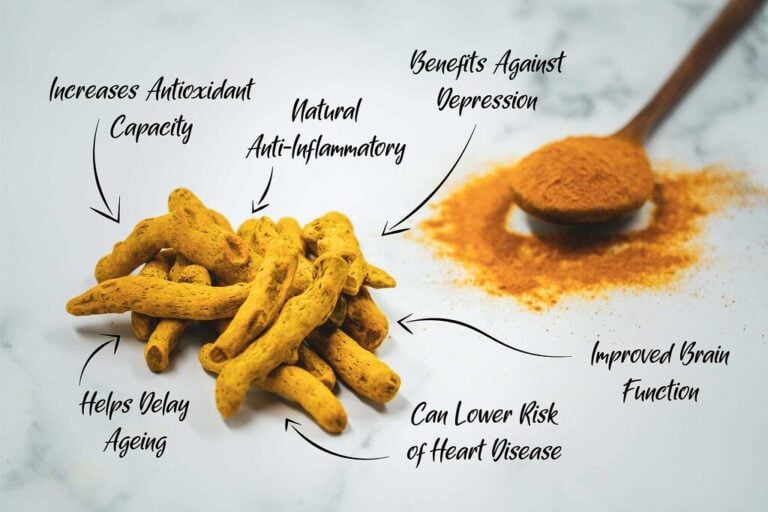
CURCUMIN (FROM TURMERIC) destroys Alzheimer’s plaque. Japanese researchers are developing an atomizer that generates a curcumin aerosol to get it past the blood-brain barrier barrier. Find out more.

DIET VIDEO: The Nigerian Paradox wonders: Why are Alzheimer’s rates low in Nigeria, despite dangerous “Alzheimer’s gene” rates? Does Nigeria’s diet hold the key?

A daily cup of tea — and other delicious options — could help you to enjoy better health late in life. Read on to learn more.

Researchers say it takes a dozen “intervention sessions” to improve cognition in those at risk for Alzheimer’s and other dementias.

A diet that combines unsaturated fats with nitrite-rich vegetables, such as olive oil and lettuce, can protect you from hypertension and vascular dementia.

VIDEO: Kate Swaffer had to leave her job after she was diagnosed with dementia at the age of 49. See why she co-founded Dementia Awareness International, which is now giving a powerful voice to people with Dementia.

Microsoft Research’s SenseCam aids memory by recording a patient’s life in photos. Subsequent review of images by a patient diagnosed with severe memory impairment was extremely positive; periodic review of images resulted in significant recall of those events.

UPLIFTING AND IDEA-FILLED VIDEO: In picturesque Arnsberg, townsfolk are finding ways to make living with dementia as normal as possible.

Three important dementia studies focus on HS-AGING, a type of dementia almost as common as Alzheimer’s in the 85+ group. Yet few people have heard of it. Why? What makes it different?
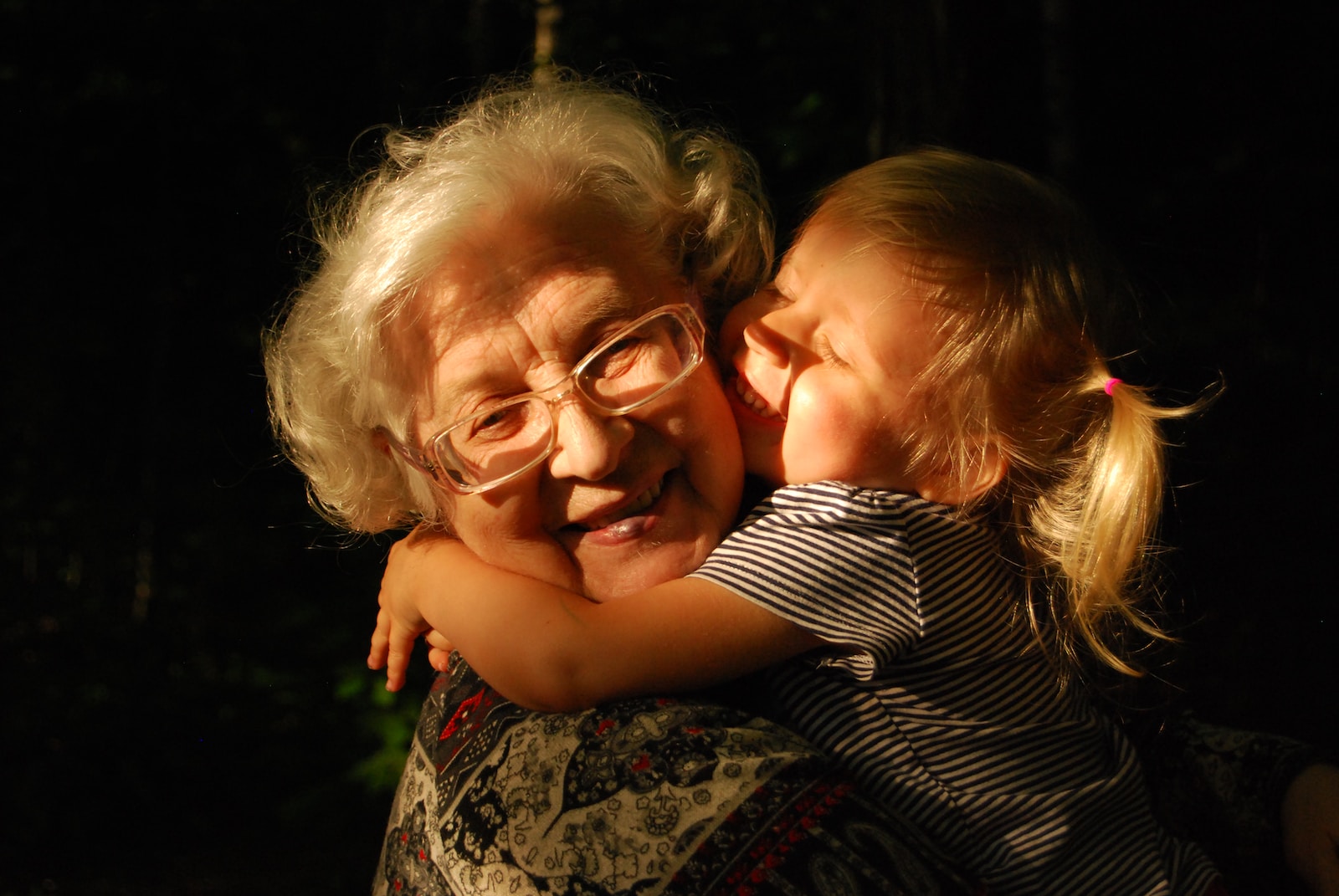
An intriguing study of 120 grandmothers might surprise you. Doctors know socially engaged people have better cognition and less dementia. But can a person get too much of a good thing? What’s the right balance?

Enjoy this great duet between a musician with dementia and his son. A triumph of spirit over Alzheimer’s! Sing-a-long if you like!

It looks like a sneeze cannot give anyone Alzheimer’s. While Alzheimer’s abnormal disease proteins do spread from cell-to-cell, they are not “infectious”. Check out the facts.