Wine Cleans Alzheimer’s Plaque
DIET VIDEO & ARTICLE: An innovative study shows how a daily glass of wine (or two) can help clean the brain of Alzheimer’s plaque.
DIET VIDEO & ARTICLE: An innovative study shows how a daily glass of wine (or two) can help clean the brain of Alzheimer’s plaque.

In an Alzheimer’s study, insulin delivered high up in the nasal cavity achieved lasting results in improving memory. Find out why Dr. W. Banks calls this “one of those studies where everything is coming together.”

Healthy foods make a healthy brain. Healthy food NETWORKS (which are the foods you eat together), may offer an even bigger benefit.

NEUROPROTECTIVE HOLIDAY RECIPE: Brain-healthy pumpkin pie gets a new twist with a crunchy, neuroprotective walnut streusel topping. Try this easy recipe that starts with a store-bought pie crust!

BRAIN-HEALTHY RECIPE: An appeal to your senses: Beautiful to behold, delicious to taste. Refreshing aroma from dementia-shielding citrus and satisfying crunch from brain-healthy pecans.

BMI stands for Body Mass Index, a measure of how much extra weight we carry. Learn about NIA research connecting BMI levels to delaying Alzheimer’s.

Desi has Alzheimer’s. She lives in a dementia facility with a 1940’s “Retro” living room and kitchen. Old-time music helps residents remember bygone days. It’s reminiscence as therapy. See it in action.

FREE 32-PAGE BOOK: Dementia design improves the independence of people with dementia. This online book is available at no charge. Learn dozens of clever design tips that can make a world of difference.

DEMENTIA DIET TIPS – VIDEO: What’s tasty and what’s not for people with Alzheimer’s? Find out from Teepa Snow. Learn what to expect when medication is mixed with food. Turn meals into a real time for connecting.

Three important dementia studies focus on HS-AGING, a type of dementia almost as common as Alzheimer’s in the 85+ group. Yet few people have heard of it. Why? What makes it different?
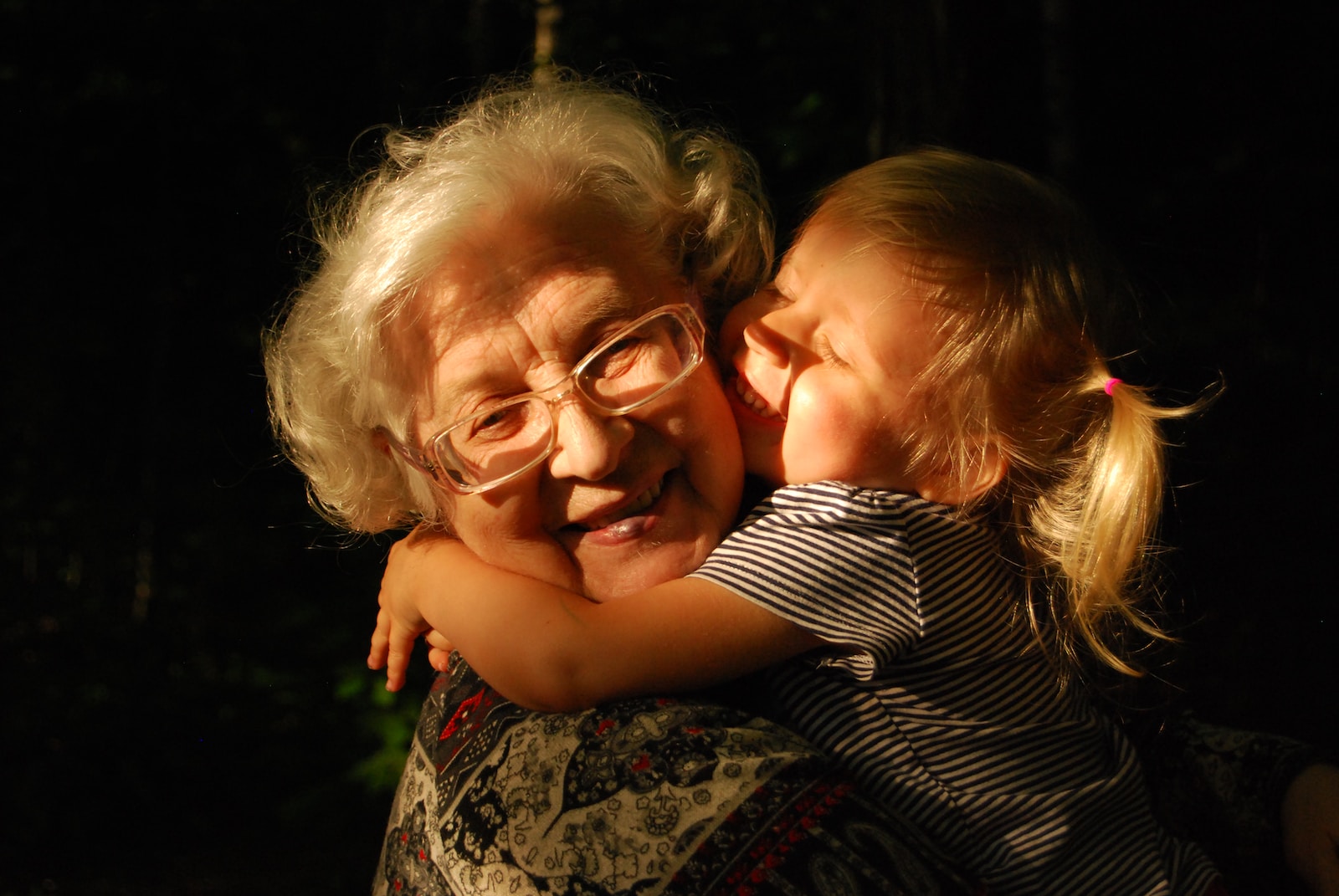
An intriguing study of 120 grandmothers might surprise you. Doctors know socially engaged people have better cognition and less dementia. But can a person get too much of a good thing? What’s the right balance?

Enjoy this great duet between a musician with dementia and his son. A triumph of spirit over Alzheimer’s! Sing-a-long if you like!

It looks like a sneeze cannot give anyone Alzheimer’s. While Alzheimer’s abnormal disease proteins do spread from cell-to-cell, they are not “infectious”. Check out the facts.