
5 Ways Families Can Lower Alzheimer’s Risk
Families may share genes, but they can also share habits that protect the brain. Mayo Clinic experts remind us that everyday choices — not just DNA — make a powerful difference.
Families may share genes, but they can also share habits that protect the brain. Mayo Clinic experts remind us that everyday choices — not just DNA — make a powerful difference.
Urinary tract infections (UTIs) can easily go unnoticed in older adults — especially in those already living with Alzheimer’s or dementia. But knowing the signs and acting quickly can prevent distress, hospitalization, and long-term cognitive decline.

DIET: MAGNESIUM appears to do a lot to maintain brain health, prevent cognitive impairment (CI), and fight Alzheimer’s. Learn how.

A high-sugar diet causes insulin resistance in the brain, reducing neuronal debris removal. How badly can this increase neurodegeneration risk?

Dr. Michael Gregger, Director of the authoritative NutritionFacts site, asks, “Why has fish consumption been associated with cognitive impairment and loss of executive function?”

The spice turmeric contains curcumin. In a UCLA study, curcumin significantly improved memory and mildly improved mood in people with memory problems.
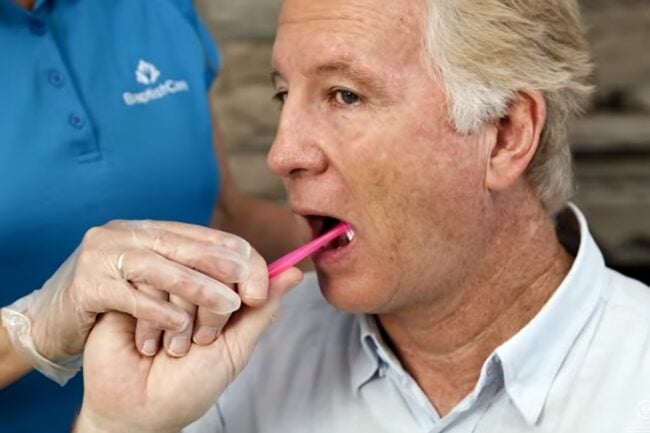
Tooth brushing in dementia can involve a number of tricky details. Anticipating needs is all it takes to make it easy to brush teeth. See dozens of tips to help people with dementia keep their mouth, breath and teeth clean and fresh.

Sugar, the brain, and Alzheimer’s – just how tight is their connection? Check out this update from Tulane University’s targeted study.

With what we know today, even high genetic risk can be beaten —new research reveals that the Mediterranean diet may slow memory decline and lower dementia risk, even for those with the APOE4 gene.

At Washington University, extra sleep reinforced connections between brain cells that encode memories. Past studies linked extra sleep to boosting memory. This study links extra sleep to the repair of damaged memory systems.

SEMINAR VIDEO: Watch Dr. Terry Barclay share his passion: To help patients and families thrive – not just survive – when living with Alzheimer’s.

EMERGENCY INFOGRAPH: People with dementia are especially vulnerable in natural disasters and extreme weather. Share this infographic of 6 things you can do to prepare against unexpected conditions.

See Harvard Alzheimer’s expert Dr. Rudy Tanzi and Deepak Chopra explore cutting edge research and insights on sleep’s capacity to prevent Alzheimer’s.

Three important dementia studies focus on HS-AGING, a type of dementia almost as common as Alzheimer’s in the 85+ group. Yet few people have heard of it. Why? What makes it different?
An intriguing study of 120 grandmothers might surprise you. Doctors know socially engaged people have better cognition and less dementia. But can a person get too much of a good thing? What’s the right balance?

Enjoy this great duet between a musician with dementia and his son. A triumph of spirit over Alzheimer’s! Sing-a-long if you like!

It looks like a sneeze cannot give anyone Alzheimer’s. While Alzheimer’s abnormal disease proteins do spread from cell-to-cell, they are not “infectious”. Check out the facts.