The Nigerian Paradox: How Diet Fights Alzheimer’s Genes
DIET VIDEO: The Nigerian Paradox wonders: Why are Alzheimer’s rates low in Nigeria, despite dangerous “Alzheimer’s gene” rates? Does Nigeria’s diet hold the key?
DIET VIDEO: The Nigerian Paradox wonders: Why are Alzheimer’s rates low in Nigeria, despite dangerous “Alzheimer’s gene” rates? Does Nigeria’s diet hold the key?

A daily cup of tea — and other delicious options — could help you to enjoy better health late in life. Read on to learn more.
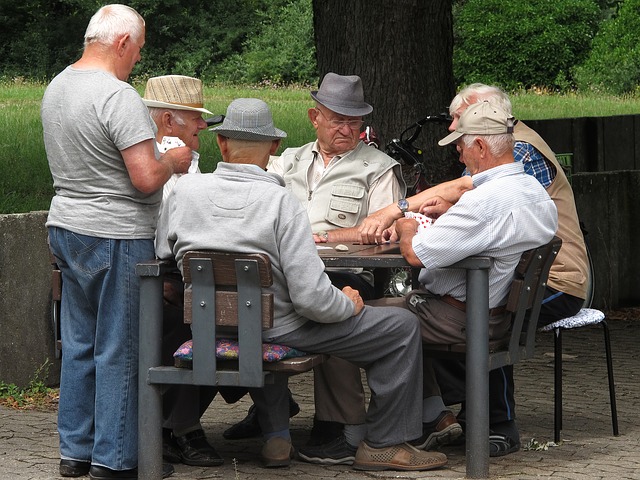
Researchers say it takes a dozen “intervention sessions” to improve cognition in those at risk for Alzheimer’s and other dementias.

A diet that combines unsaturated fats with nitrite-rich vegetables, such as olive oil and lettuce, can protect you from hypertension and vascular dementia.
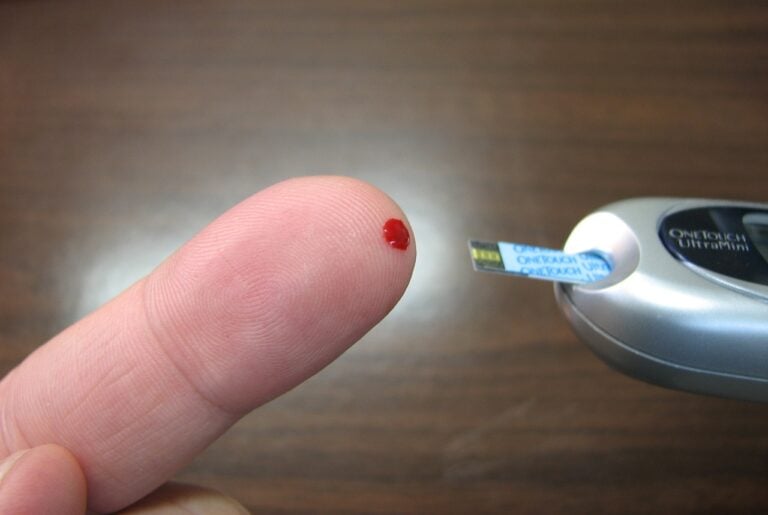
Mayo Clinic, America’s top research center, asked, “Is Alzheimer’s triggered by a form of brain diabetes?” An insulin nasal spray may help.

DRINKING beet juice can increase blood flow to the brain in older adults. The way beet juice does this holds great potential for combating dementia.

Researchers find that a diet including more fruit, vegetables, beans and tea or coffee lowers the risk of developing dementia later in life. Learn more.

VIDEO+ARTICLE CARE TIP: Midnight snacks are great on New Year’s Eve and even greater on midnight dementia-care shifts. Learn how late-night munchies solved a nurse’s wandering & behavior problems.

BRAIN-HEALTHY RECIPE: Ring in the New Year in style and moderation with this tantalizing sangria.

NEW STUDY: Beetroot is known for improving blood flow—but that may matter more for dementia than many people realize. See the evidence and and what caregivers should realistically take from it.

Healthy foods make a healthy brain. Healthy food NETWORKS (which are the foods you eat together), may offer an even bigger benefit.

A powerful song about an 80-year-old professor losing memory due to Alzheimer’s. A tribute and a call for understanding, love, and support.
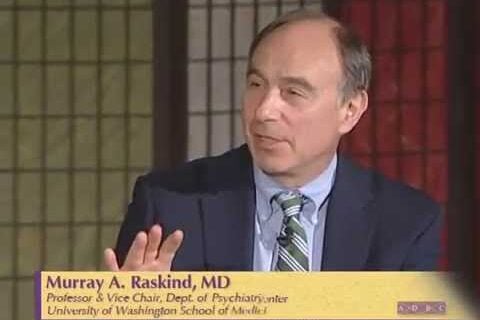
People with dementia deserve dignity and have rights. Where do we draw the line between encouraging personal choices versus following what caregivers think is best? See Dr. Murray Raskin & Dr. Linda Teri offer experienced tips.

Three important dementia studies focus on HS-AGING, a type of dementia almost as common as Alzheimer’s in the 85+ group. Yet few people have heard of it. Why? What makes it different?
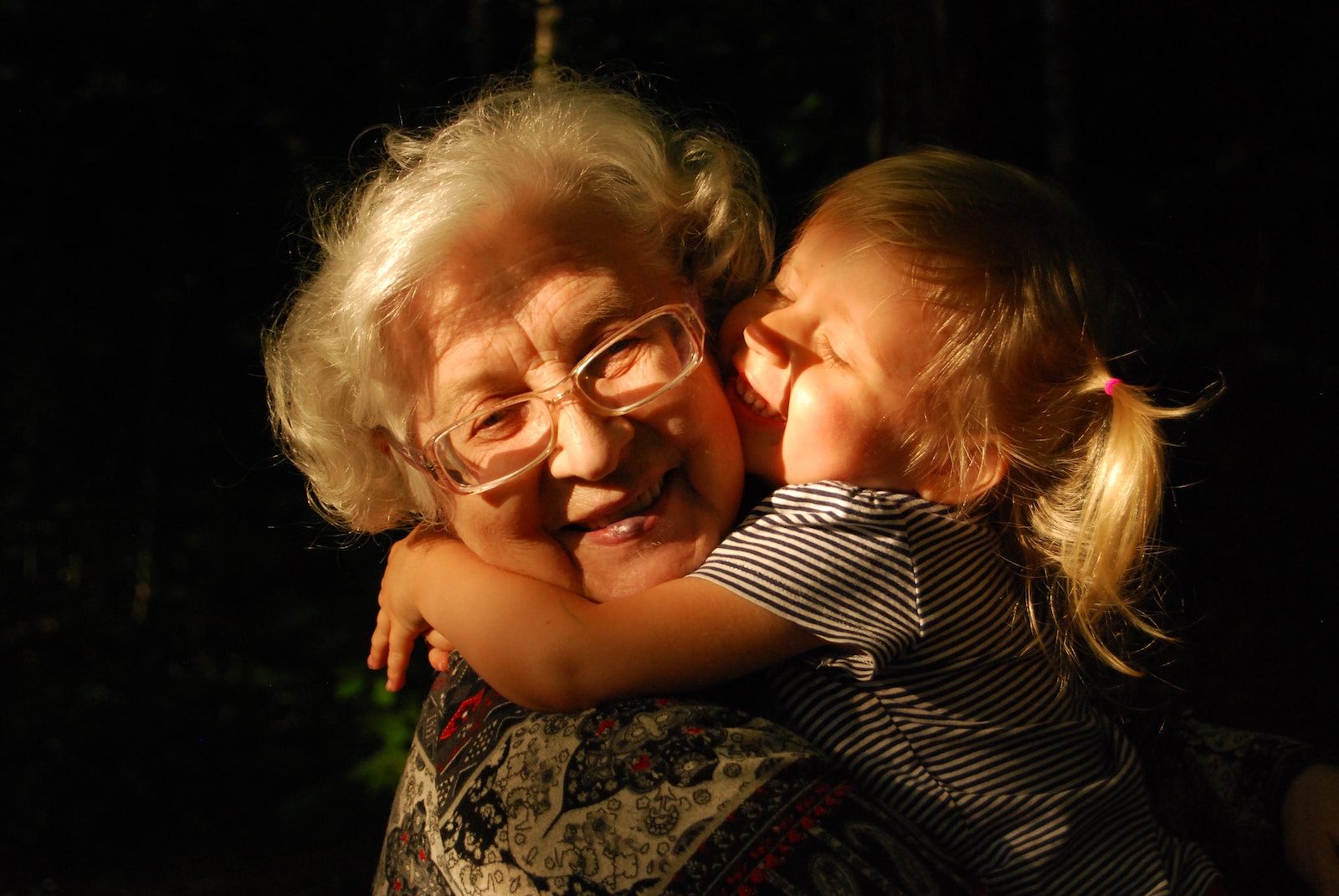
An intriguing study of 120 grandmothers might surprise you. Doctors know socially engaged people have better cognition and less dementia. But can a person get too much of a good thing? What’s the right balance?

Enjoy this great duet between a musician with dementia and his son. A triumph of spirit over Alzheimer’s! Sing-a-long if you like!

It looks like a sneeze cannot give anyone Alzheimer’s. While Alzheimer’s abnormal disease proteins do spread from cell-to-cell, they are not “infectious”. Check out the facts.