USA Dementia Diagnosis is Double Trouble
In the USA, the same person may be twice as likely to be told they have dementia, depending on where they are diagnosed. Learn more to get a more accurate test and better treatment.
In the USA, the same person may be twice as likely to be told they have dementia, depending on where they are diagnosed. Learn more to get a more accurate test and better treatment.

Older adults with a genetic predisposition to Alzheimer’s disease may benefit from fish oil supplements.

While the initial headlines might seem discouraging, there’s always more to the story. 🌟

University of Oxford research revealed groundbreaking findings that could reshape dementia prevention. Ozempic (AKA Semaglutide/Wegovy), a type-2 diabetes and weight-loss drug, seems to significantly reduce the risk of dementia.

The newest Alzheimer’s drugs, Kisunla and Leqembi, are the first to actually slow down Alzheimer’s. How do they compare to each other?

VIDEO + ARTICLE: Kisunla (generic name: Donanemab) slowed cognitive and functional decline 35%. Once-monthly infusions reduced Alzheimer’s plaque 84%.

Three FDA-Approved drugs, terazosin, doxazosin, and alfuzosin, have a happy side effect; they boost energy production in brain cells. New studies suggest this slows or prevents Dementia with Lewy Bodies.

A drug for Alzheimer’s, called Leqembi, might soon be given less often. Right now, patients get it through a drip every two weeks. The idea is to change this to once a month.

The unanimous 11-0 FDA vote clears an exciting path for this new Alzheimer’s drug.

South Korea joined other countries in approving LEQEMBI® (generic lecanemab) for mild cognitive impairment, mild and early Alzheimer’s. Learn how Leqembi is treating Alzheimer’s around the world.

Vascular dementia is a common dementia, often brought on by stroke. Check out strategies to prevent stroke in women.

MEDICATION VIDEO: Aricept® (generic DONEPEZIL) is the world’s most popular drug for Early-stage Alzheimer’s. Does it help in Advanced-stage Alzheimer’s?
COCHRANE SERIES, PART 3 – DEEP DIVE: False alarm. The Cochrane Review shook confidence in Leqembi. It rests on a scientific threshold its own source publicly disowned. Here’s why the evidence did not justify the alarm.
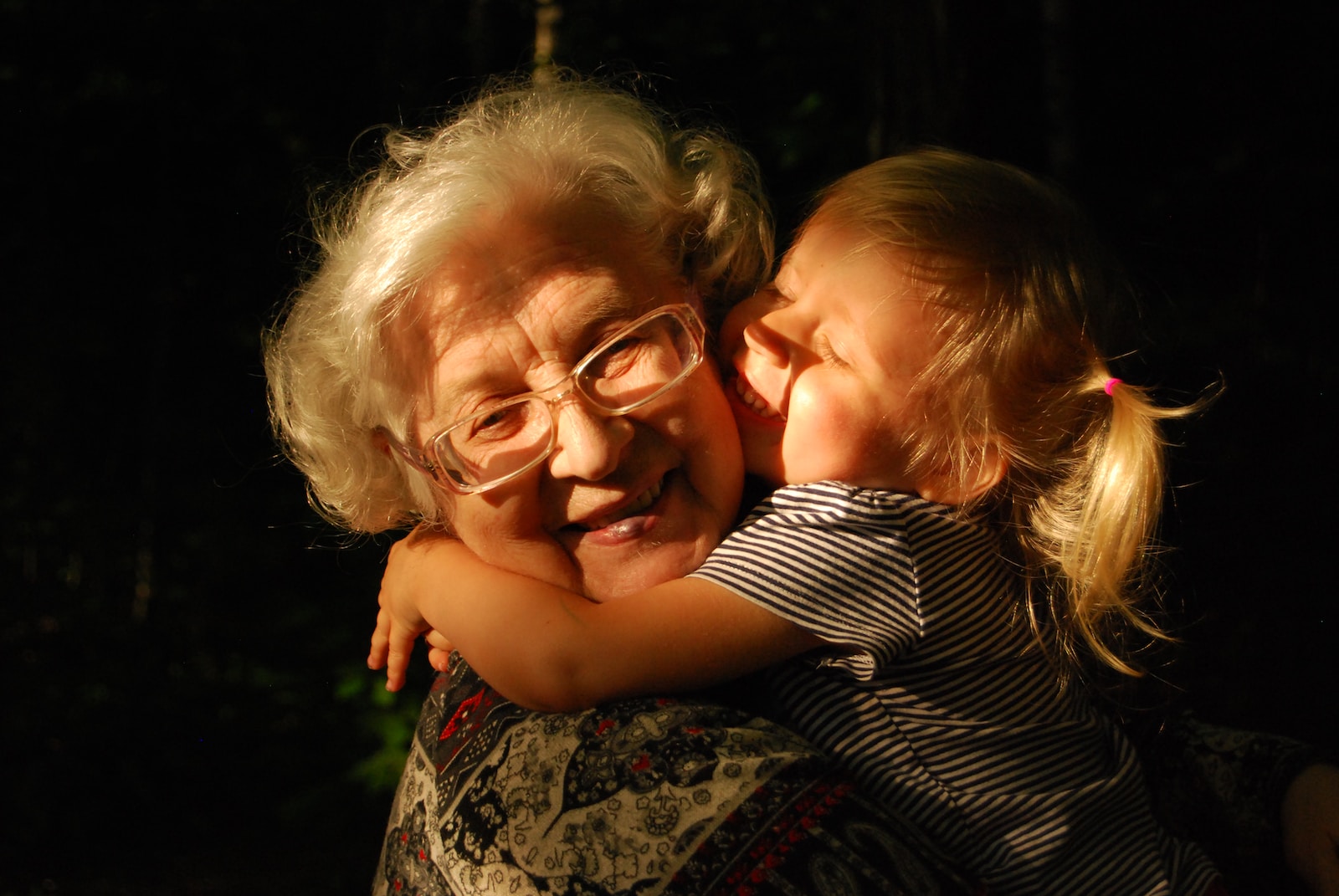
An intriguing study of 120 grandmothers might surprise you. Doctors know socially engaged people have better cognition and less dementia. But can a person get too much of a good thing? What’s the right balance?

Enjoy this great duet between a musician with dementia and his son. A triumph of spirit over Alzheimer’s! Sing-a-long if you like!

It looks like a sneeze cannot give anyone Alzheimer’s. While Alzheimer’s abnormal disease proteins do spread from cell-to-cell, they are not “infectious”. Check out the facts.

TEEPA CARE VIDEO: Learn about Alzheimer’s 6 stages. Teepa Snow shows what to expect, while keeping the focus on the person for whom you care.