Sweet Smell of Success
Researchers at UCI found that breathing in aromas while sleeping sparks a 226% cognitive increase.
Researchers at UCI found that breathing in aromas while sleeping sparks a 226% cognitive increase.
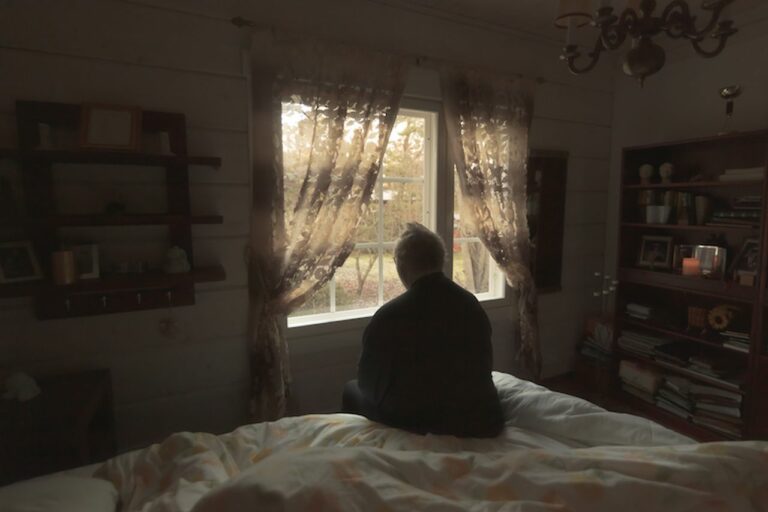
Alzheimer’s research from UVA Health suggests that enhanced light sensitivity may contribute to “sundowning” – the worsening of symptoms late in the day.

The future of millions at risk for dementia could change with the use of hearing aids. Learn more.

Dr. Robert Przybelski has prescribed lecanemab to real-life patients, and discusses his experience prescribing and administering the treatment.

Now, a third new Alzheimer’s drug expected to be approved by the Food and Drug Administration (FDA),. The field of new drugs is beginning to show progress in the fight to slow the disease.

The FDA has approved generic lecanemab (brand name Leqembi®). The new drug can slow the progression of Alzheimer’s. Two top doctors discuss the pros and cons.

First drug to modestly slow Alzheimer’s cognitive decline, based on 1,800 patients.
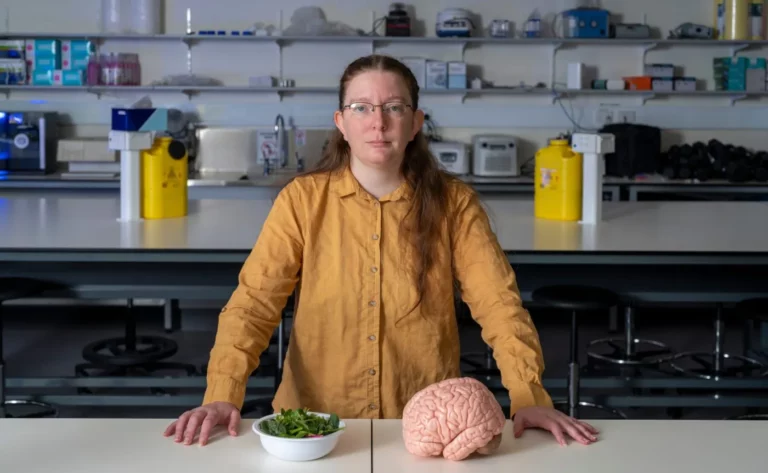
More magnesium in our daily diet leads to better brain health as we age, according to scientists from the Neuroimaging and Brain Lab at The Australian National University (ANU).
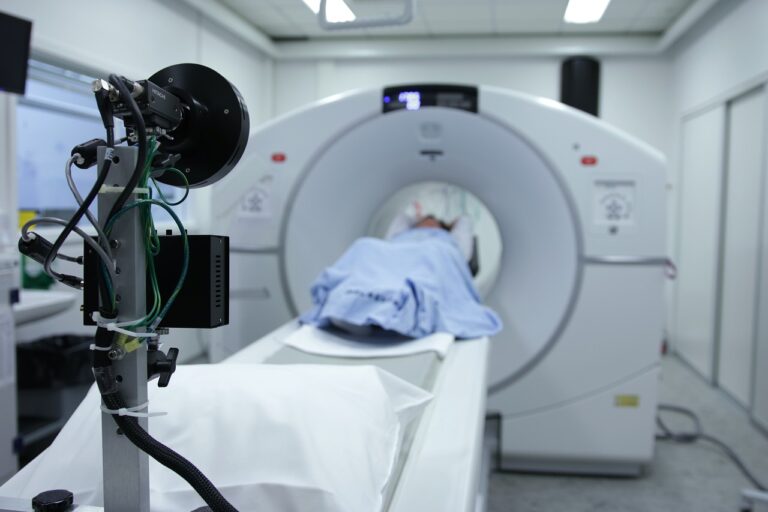
A large study led by Lund University in Sweden has shown that people with Alzheimer’s disease can now be identified before they experience any symptoms.
The FDA Advisory Committee’s endorsement of Leqembi paves way for traditional approval, ushers in a new era for Alzheimer’s

When a doctor says a person has dementia, what does that mean? What do you do, say and ask?

Learn about ‘personalized music for dementia’ and its powerful effect on Alzheimer’s. See the Director of the hit film, ‘Alive Inside’, on the dementia-impact of music.

Don’t put that controller down just yet. Playing three-dimensional video games – besides being lots of fun – can boost the formation of memories, according to University of California neurobiologists.

Enjoy this great duet between a musician with dementia and his son. A triumph of spirit over Alzheimer’s! Sing-a-long if you like!

It looks like a sneeze cannot give anyone Alzheimer’s. While Alzheimer’s abnormal disease proteins do spread from cell-to-cell, they are not “infectious”. Check out the facts.

TEEPA CARE VIDEO: Learn about Alzheimer’s 6 stages. Teepa Snow shows what to expect, while keeping the focus on the person for whom you care.

Melvyn Amrine may not have remembered the details of his life since his Alzheimer’s diagnosis, but he sure proved that his love for his wife transcended memory.